
-
×
 Floral Small Size Suzani
1 × $89.00
Floral Small Size Suzani
1 × $89.00 -
×
 Almond Decor Ikat Adras Cushion
1 × $26.50
Almond Decor Ikat Adras Cushion
1 × $26.50 -
×
Black White Velvet Ikat Jacket Set with Trousers
1 × $460.00
-
×
Designer Velvet Pillow Case
1 × $54.50
-
×
Pink Redux Velvet Textile
2 × $34.00
-
×
Artcraft Uzbek Fabric Yardage
1 × $7.20
-
×
Adras Ikat Pillow Slipcover
1 × $25.00
-
×
Traditional Designer Cotton Ikat Textile
17 × $7.40
-
×
Designer Ikat fabric By The Yard
17 × $7.40
-
×
Black Labyrinth Silk Velvet Fabric
4 × $34.00
-
×
Beautiful Designed Ikat Fabric By The Yards
14 × $4.20
-
×
Velvet Fabric Yard Sale
4 × $34.00
-
×
Ikat Pillow Adras Red Carmine
3 × $29.40
-
×
"Paisley Decoration" Cotton Ikat Textile
10 × $7.40
-
×
Anatolia Collection Designer Pillow
1 × $42.00
-
×
Blue Decorative Pillow Covers
1 × $27.00
-
×
Oriental Motifs Bakhmal Textile
4 × $34.00
-
×
Red Ikat Throw Cushions
1 × $27.00
-
×
Black Ikat Polka Dot Throw Pillowcase
1 × $25.50
-
×
Pink Silk Ikat Fabric
4 × $16.40
-
×
Gray Blue Decorative Ikat Pillow Cover
2 × $12.00
-
×
Brass Tray Hand Made Embossed Craft Pattern
1 × $155.00
-
×
Green Redux Velvet Textile
3 × $34.00
-
×
Violet Accent Ikat Pillow
1 × $27.00
-
×
World's Finest Non Electric Lamp Aladdin
1 × $29.00
-
×
Adras Pillowcase Cultural Heritage
2 × $27.00
-
×
Handmade Memory Box
1 × $28.50
-
×
Classic Down Pillowcase in Turquoise Lime Green
1 × $24.50
-
×
Ikat Tiny Motifs Pillow Cover
4 × $29.40
-
×
Velvet Fabric Discount Designer Fabric
8 × $34.00
-
×
Turkish Design Ikat Pillow
4 × $29.40
-
×
Green Velvet Fabric By The Yard
6 × $34.00
-
×
Lumbar Ikat Throw Pillow
1 × $25.50
-
×
Ikat Upholstery Dark Blue Fabric
8 × $12.50
-
×
Blue Turquoise Ikat Kaftan
1 × $186.00
-
×
Handwoven Persian Rug
1 × $1390.00
-
×
Scarlet Ikat Fabric By the yard
2 × $7.40
-
×
"Maqbara-i Ismail Samani" miniature painting
2 × $84.00
-
×
Beautiful Lacquer Earring Box
3 × $58.00
-
×
Green Designer Ikat Fabric
5 × $7.40
-
×
Green Chevron Accent Pillowcase
1 × $25.00
-
×
Dark Blue Cotton Decor Fabric
2 × $7.40
-
×
Brass Tray Hand Engraved
2 × $150.00
-
×
Cheapest Ikat Silk Fabric Directly Selling
1 × $16.00
-
×
ISLAMIC BRASS ROUND TRAY PLATE PLATTER
2 × $150.00
-
×
Red Polka Dot Designer Ikat Fabric
1 × $14.99
-
×
Moroccan Traditional Handwoven Kilim Rug
1 × $180.00
-
×
Vase Design Suzani Embroidery
2 × $56.00
-
×
Organic Cotton Cheap Blue Ikat Pillow
1 × $14.00
-
×
Cyber Yellow Ikat Kaftan Chevron
1 × $145.00
-
×
Zigzag Accent Pillowcase Hot Pink
2 × $25.00
-
×
Two Decorative Ikat Pillow Cover
1 × $45.00
-
×
Origin Uzbek Suzani Embroidery
1 × $195.00
-
×
Cotton Floral Suzani Embroidery
2 × $190.00
-
×
Adras Ikat Chess Design Pillow
1 × $25.00
-
×
Wise Eyes Bakhma Fabric
3 × $34.00
-
×
Islamic Brass Tray Persian Writings Qalamzani
1 × $145.00
-
×
Unique Ikat Throw Fabric
1 × $7.20
-
×
Soft Touch Blue Organic Silk Ikat Pillow
1 × $26.50
-
×
Rainbow Silk Ikat Fabric
1 × $15.00
-
×
Multicolour Uzbek Silk Cotton Fabric
1 × $9.00
-
×
Mini Suzani Teapot design Embroidery
1 × $48.00
-
×
Farmhouse throw pillows
1 × $27.00
-
×
Handmade Asian Decor Box
1 × $29.00
-
×
Blue Silk Ikat Blazer Set
1 × $235.00
-
×
Tree Ornamental Design Pillow
1 × $44.50
-
×
Red Velvet Ikat Fabric
1 × $34.00
-
×
Hand Embroidered Ethnic Suzani
2 × $98.00
-
×
Olive Green Ikat Sateen Fabric
1 × $16.00
-
×
Zigzag Pillow Sham
1 × $25.00
-
×
Best Quality Handloom Ikat Pillow
2 × $25.00
-
×
Rosa Multiflora Velvet Cushion
1 × $44.50
-
×
Yellow Chevron Accent Pillowcase
1 × $25.00
-
×
Anatolia Handwoven Silk Rug
1 × $650.00
-
×
Silk Fabric Textile Ikat Upholstery
1 × $9.00
-
×
Minaret Kalyan Art Painting
1 × $75.00
-
×
Blue Silk Cushion Cover
1 × $29.40
-
×
"Applied Decoration" Cotton Ikat Fabric
2 × $7.40
-
×
Chevron Design Soft Ikat Adras
1 × $13.00
-
×
Richloom Bolster Accent Ikat Pillow
1 × $42.00
-
×
Turquoise Decorative Ikat Pillow
1 × $14.00
-
×
"Dream of Ocean" Cotton Abric Designer
5 × $7.40
-
×
Red Decorative Throw Pillow
3 × $44.50
-
×
Accent Pillow Cover Pink
1 × $14.00
-
×
Adras Kaftan in Silk
1 × $195.00
-
×
Art Hammer Engraved Brass Plaque
1 × $150.00
-
×
Handwoven Ikat Pillow Case
1 × $25.00
-
×
Velvet Silk Rhombus Ikat Fabric
1 × $32.00
-
×
Purple Home Decor Ikat Fabric
1 × $15.00
-
×
Cottage Decor Kilim Rug
1 × $120.00
-
×
Black Velvet Chair Cushion
1 × $54.50
-
×
Hand made Light Afghan Rug
1 × $122.00
-
×
Bolster Decorative Throw Pillow
1 × $42.00
-
×
Handwoven Dress making Ikat Fabric
1 × $14.39
-
×
Unique Ikat Fabric Throw Pillow Cover
1 × $27.00
-
×
Yellow Accent Pillow Case
1 × $25.00
-
×
The Purple Ikat Jacket Set with Skirt
1 × $220.00
-
×
Red Chevron Polka Dot Pillow Pairs
2 × $48.00
-
×
Sofa Pillows Adras Ikat
1 × $27.00
-
×
Red Blue Chevron Pillow
1 × $29.40
-
×
Farmhouse Decor Lumbar Pillow
1 × $25.50
-
×
Ornate Blue Lacquer Jewelry Box
2 × $28.00
-
×
Lumbar Chevron Pillow Case
1 × $25.50
-
×
Black Silk Ikat Textile
2 × $15.00
-
×
Multicolour Xan Adras Ikat Textile
1 × $13.89
-
×
Tan polka dot decorative throw pillow
1 × $26.00
-
×
 Silk Ikat Dressmaking Fabric
1 × $16.00
Silk Ikat Dressmaking Fabric
1 × $16.00 -
×
Violet Toss Ikat Pillow Adras
1 × $25.00
-
×
Luxury Cigar Ashtray Sale
1 × $20.00
-
×
Metal Zinc Alloy vintage Aladdin Lamp Decor
1 × $29.00
-
×
Blue Ikat Daybed Bolster Pillow
1 × $42.00
-
×
Elegant Bohemian Rug
1 × $265.00
-
×
Uzbek Handmade Throw Cushion
1 × $14.60
-
×
Blue Handmade Lacquer Box
1 × $28.40
-
×
Multicolor Drapery Ikat Fabric
1 × $7.40
-
×
Organic Cotton Cheap Throw Pillow
1 × $12.00
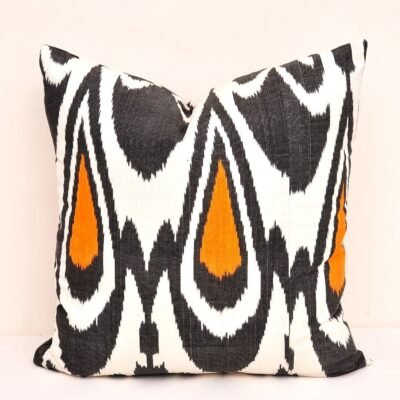 Almond Decor Ikat Adras Cushion
 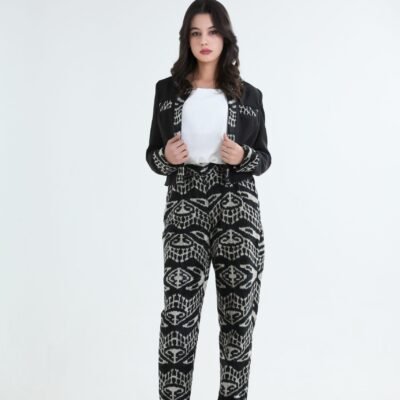 Black White Velvet Ikat Jacket Set with Trousers
  Designer Velvet Pillow Case
 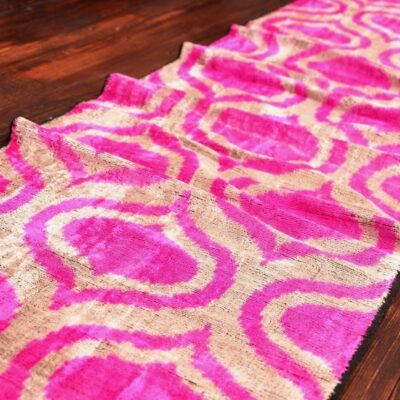 Pink Redux Velvet Textile
 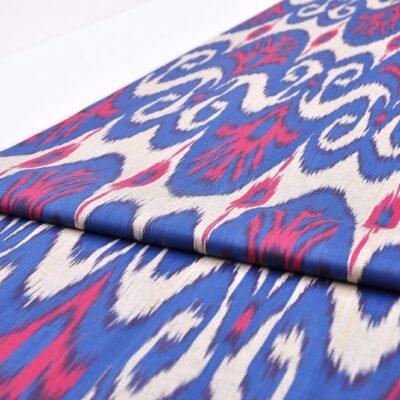 Artcraft Uzbek Fabric Yardage
 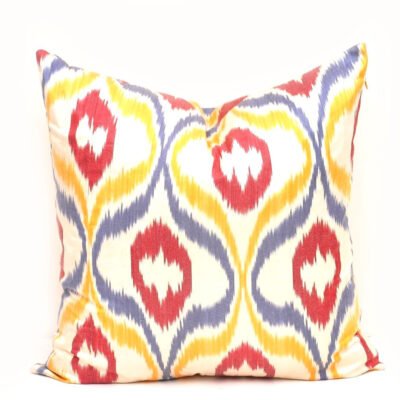 Adras Ikat Pillow Slipcover
 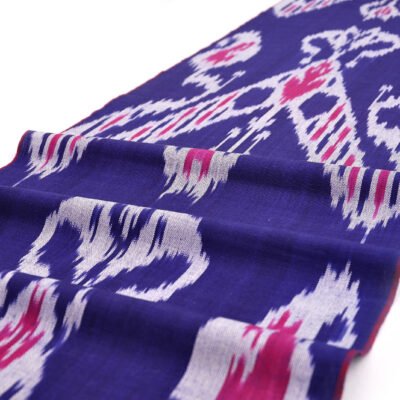 Traditional Designer Cotton Ikat Textile
 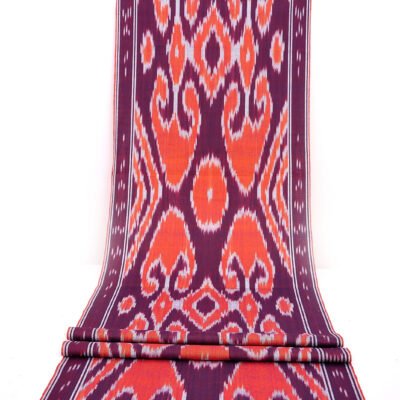 Designer Ikat fabric By The Yard
  Black Labyrinth Silk Velvet Fabric
 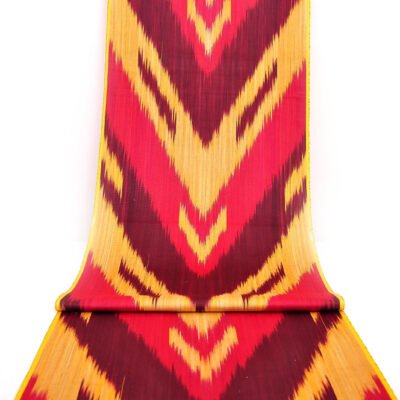 Beautiful Designed Ikat Fabric By The Yards
  Velvet Fabric Yard Sale
 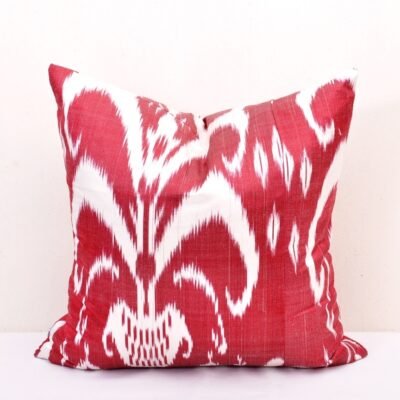 Ikat Pillow Adras Red Carmine
 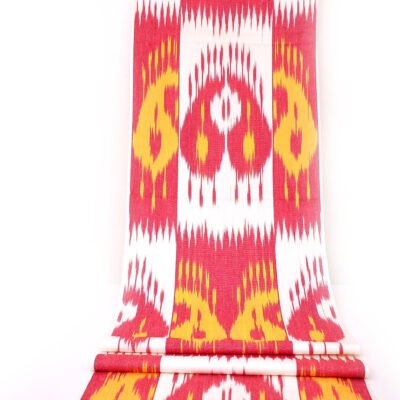 "Paisley Decoration" Cotton Ikat Textile
  Anatolia Collection Designer Pillow
 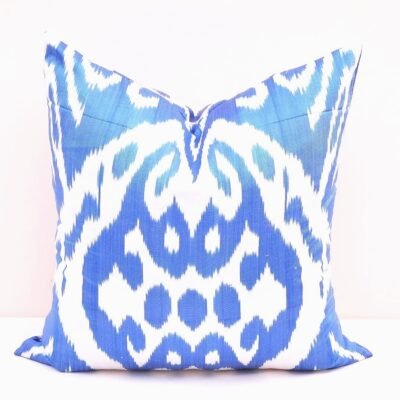 Blue Decorative Pillow Covers
  Oriental Motifs Bakhmal Textile
  Red Ikat Throw Cushions
 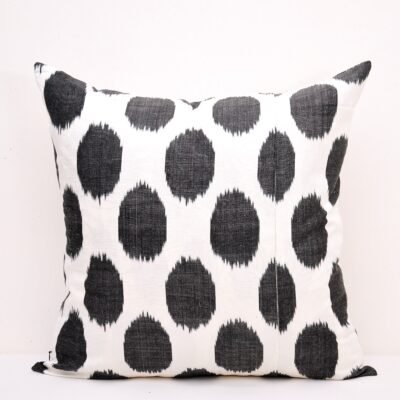 Black Ikat Polka Dot Throw Pillowcase
 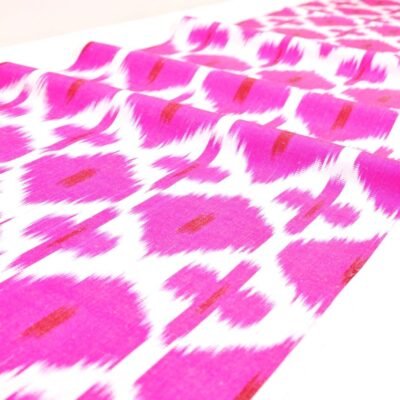 Pink Silk Ikat Fabric
  Gray Blue Decorative Ikat Pillow Cover
  Brass Tray Hand Made Embossed Craft Pattern
 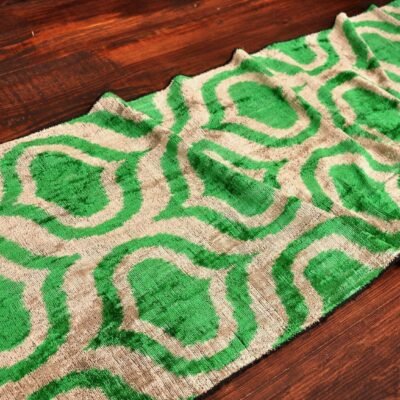 Green Redux Velvet Textile
 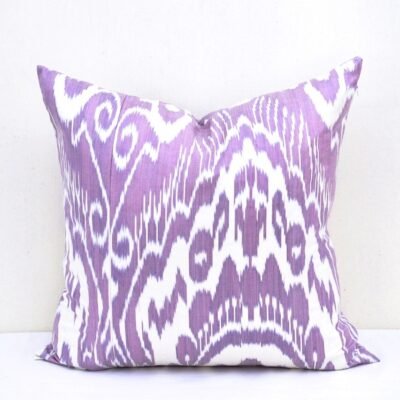 Violet Accent Ikat Pillow
  World's Finest Non Electric Lamp Aladdin
 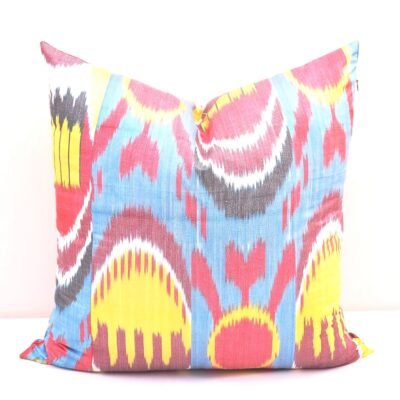 Adras Pillowcase Cultural Heritage
  Handmade Memory Box
 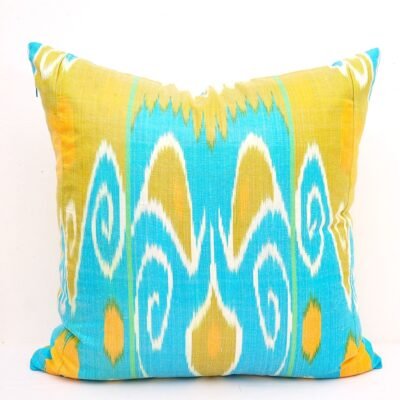 Classic Down Pillowcase in Turquoise Lime Green
 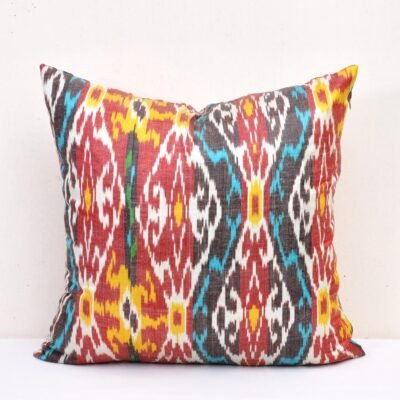 Ikat Tiny Motifs Pillow Cover
  Velvet Fabric Discount Designer Fabric
 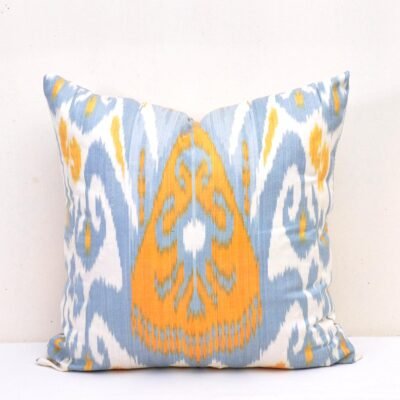 Turkish Design Ikat Pillow
 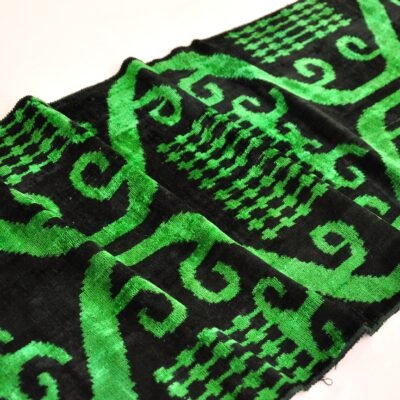 Green Velvet Fabric By The Yard
 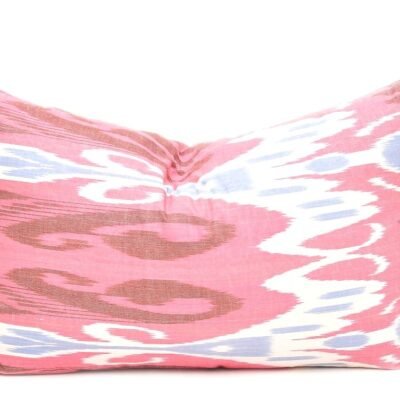 Lumbar Ikat Throw Pillow
 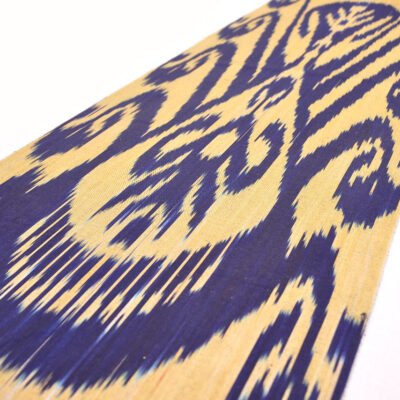 Ikat Upholstery Dark Blue Fabric
 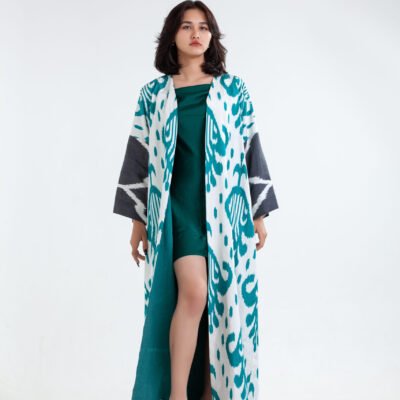 Blue Turquoise Ikat Kaftan
 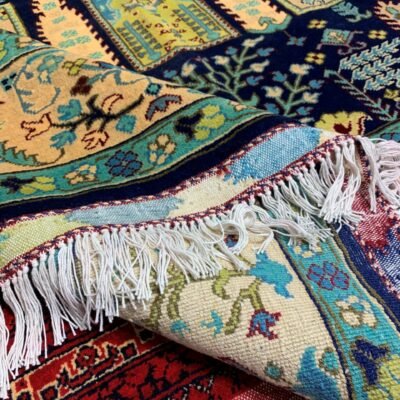 Handwoven Persian Rug
 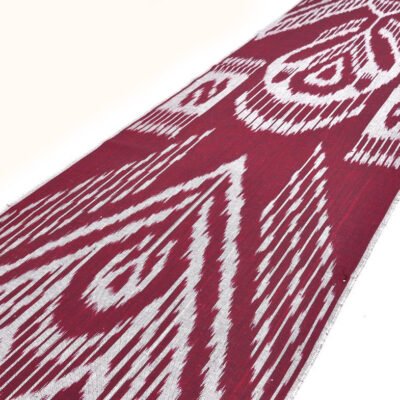 Scarlet Ikat Fabric By the yard
 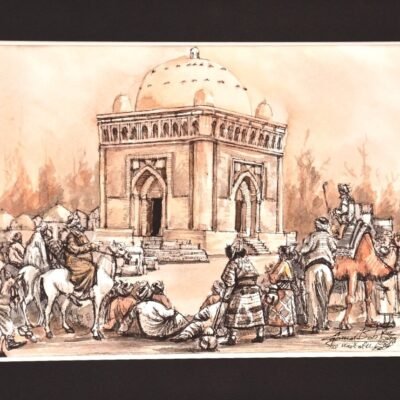 "Maqbara-i Ismail Samani" miniature painting
  Beautiful Lacquer Earring Box
 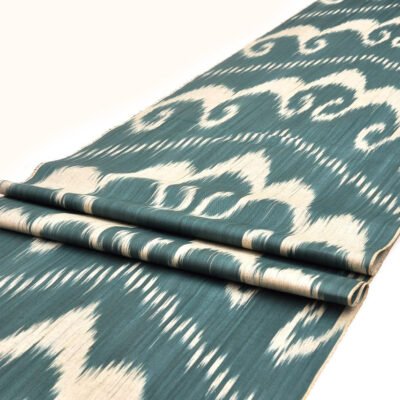 Green Designer Ikat Fabric
 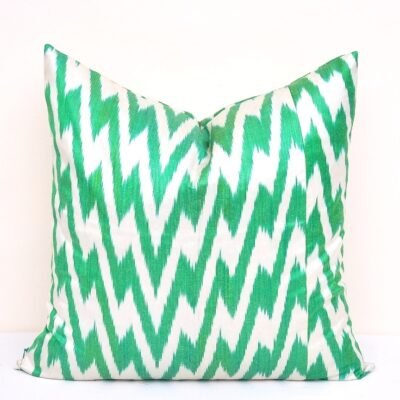 Green Chevron Accent Pillowcase
 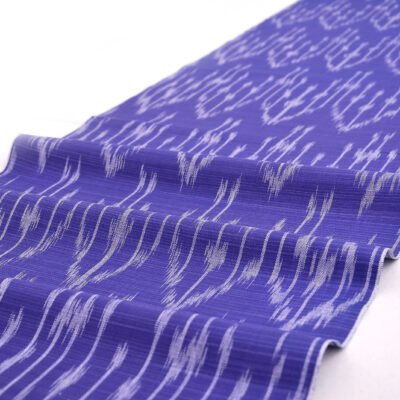 Dark Blue Cotton Decor Fabric
 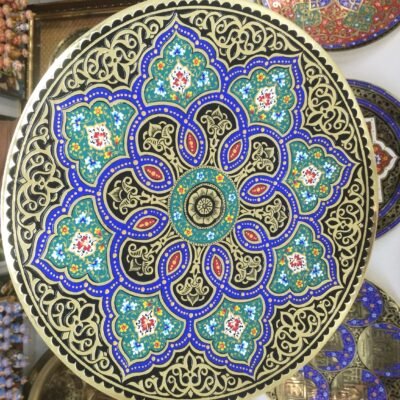 Brass Tray Hand Engraved
 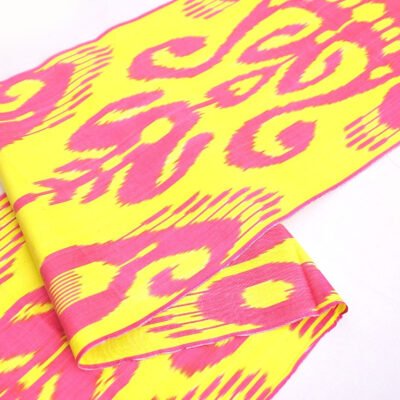 Cheapest Ikat Silk Fabric Directly Selling
 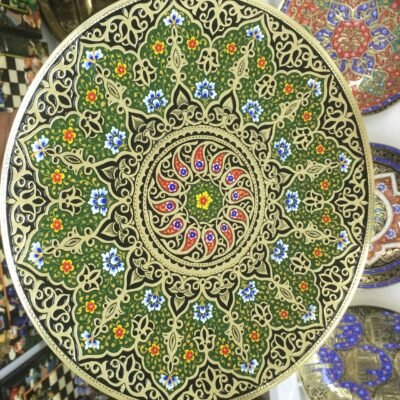 ISLAMIC BRASS ROUND TRAY PLATE PLATTER
 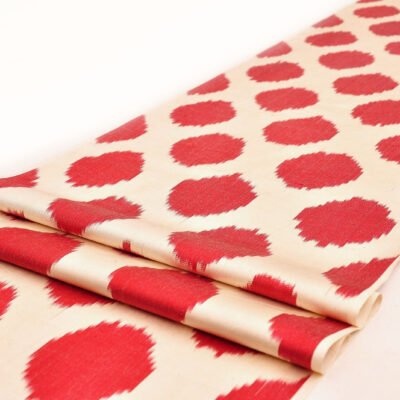 Red Polka Dot Designer Ikat Fabric
 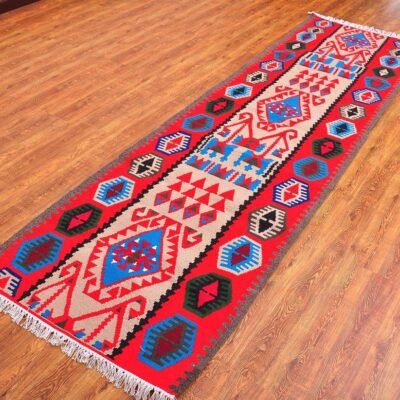 Moroccan Traditional Handwoven Kilim Rug
 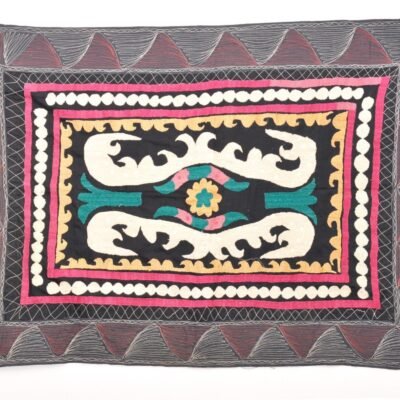 Vase Design Suzani Embroidery
  Organic Cotton Cheap Blue Ikat Pillow
 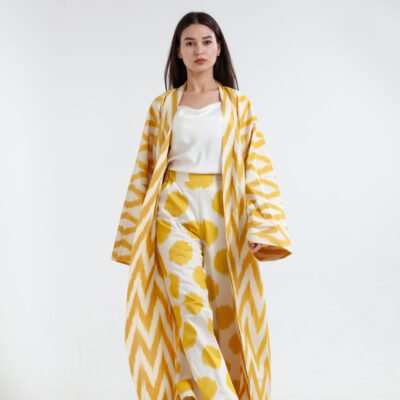 Cyber Yellow Ikat Kaftan Chevron
 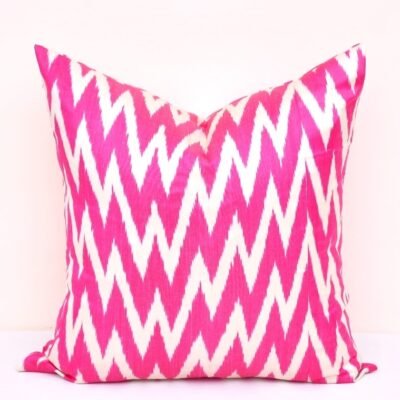 Zigzag Accent Pillowcase Hot Pink
 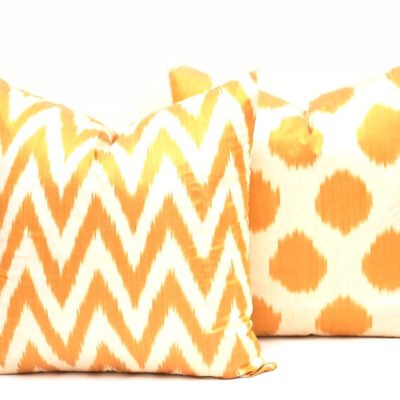 Two Decorative Ikat Pillow Cover
 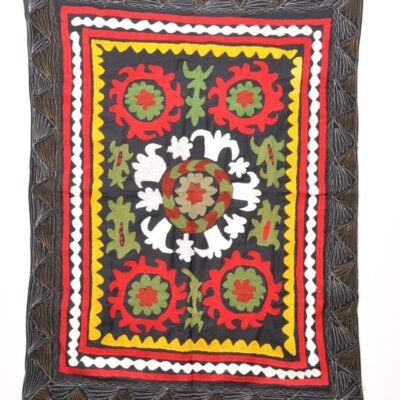 Origin Uzbek Suzani Embroidery
 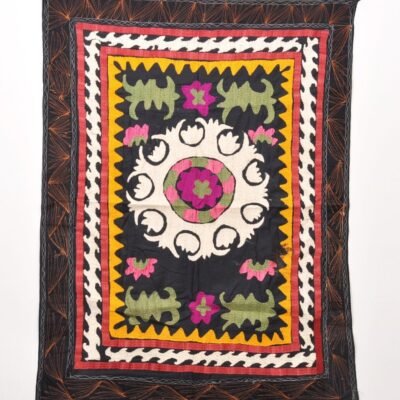 Cotton Floral Suzani Embroidery
 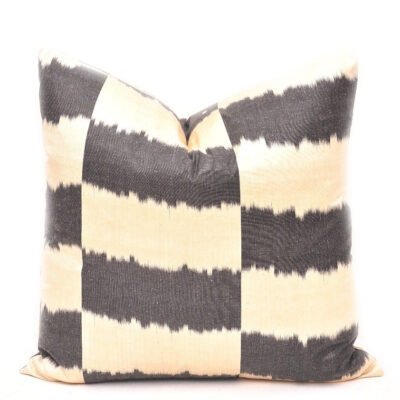 Adras Ikat Chess Design Pillow
 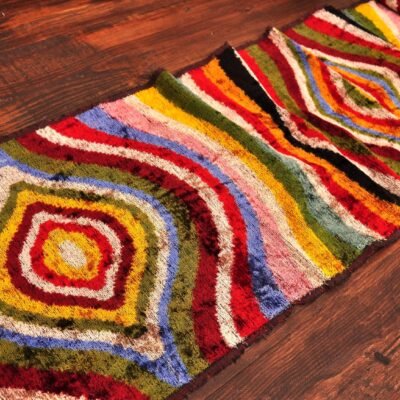 Wise Eyes Bakhma Fabric
 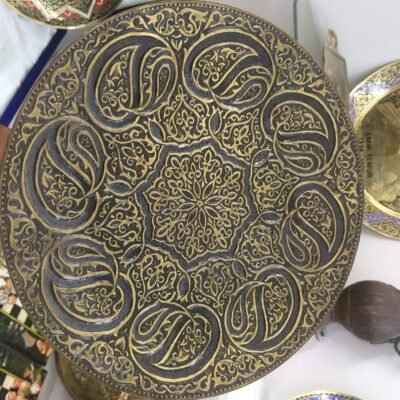 Islamic Brass Tray Persian Writings Qalamzani
 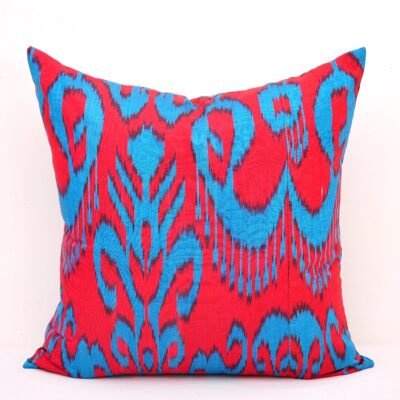 Soft Touch Blue Organic Silk Ikat Pillow
 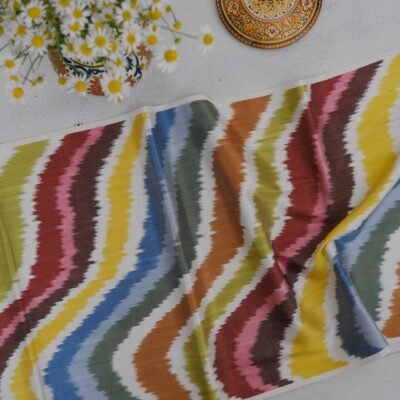 Rainbow Silk Ikat Fabric
 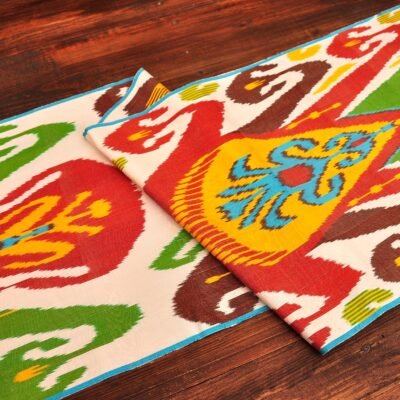 Multicolour Uzbek Silk Cotton Fabric
  Mini Suzani Teapot design Embroidery
 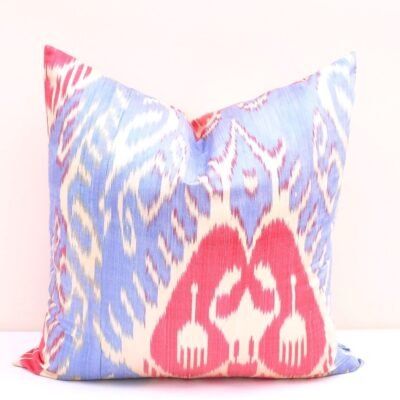 Farmhouse throw pillows
 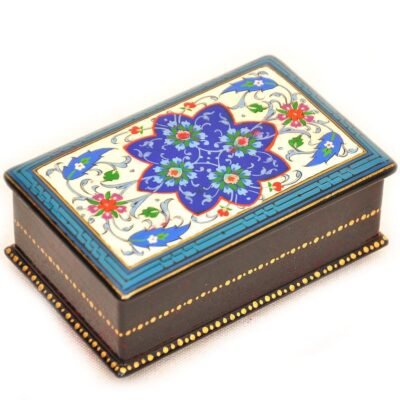 Handmade Asian Decor Box
 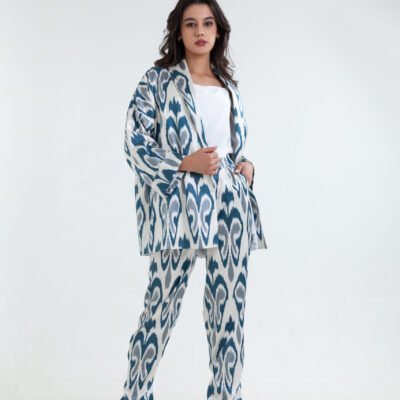 Blue Silk Ikat Blazer Set
 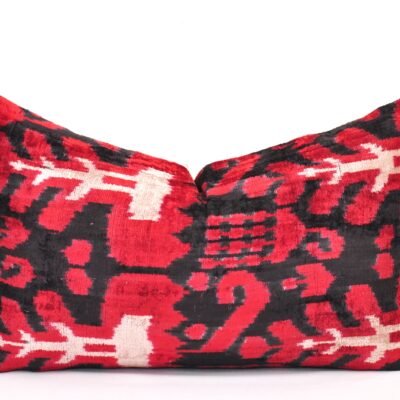 Tree Ornamental Design Pillow
  Red Velvet Ikat Fabric
 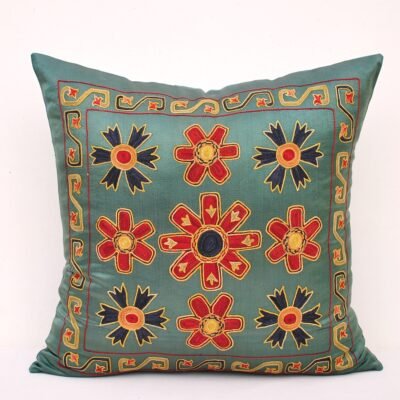 Hand Embroidered Ethnic Suzani
 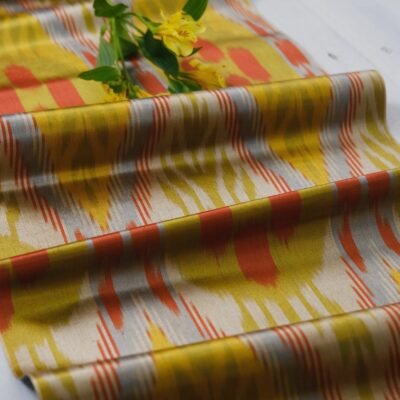 Olive Green Ikat Sateen Fabric
 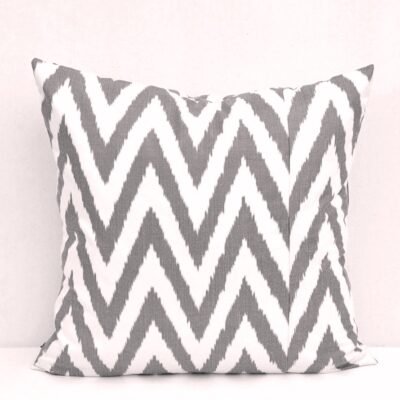 Zigzag Pillow Sham
 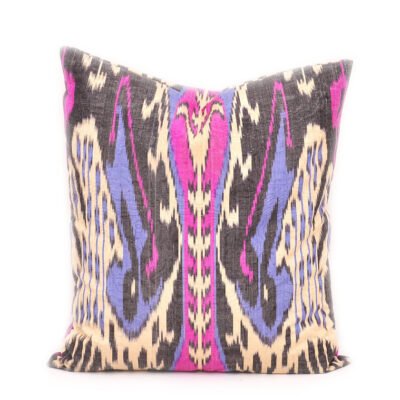 Best Quality Handloom Ikat Pillow
 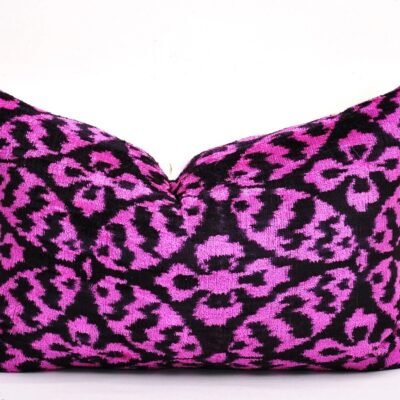 Rosa Multiflora Velvet Cushion
  Yellow Chevron Accent Pillowcase
  Anatolia Handwoven Silk Rug
 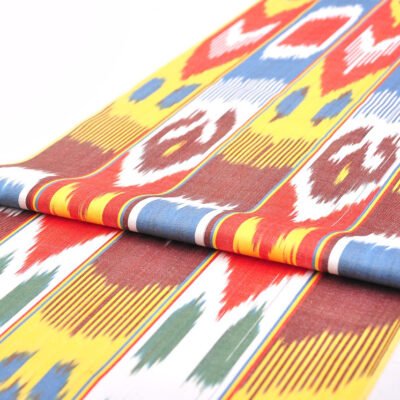 Silk Fabric Textile Ikat Upholstery
 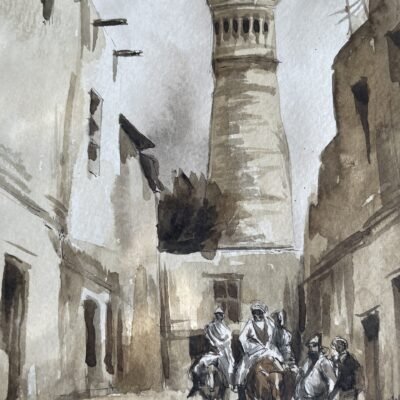 Minaret Kalyan Art Painting
 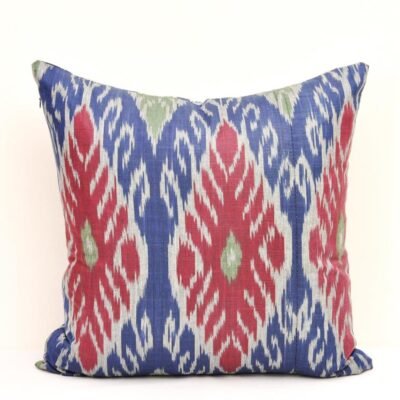 Blue Silk Cushion Cover
  "Applied Decoration" Cotton Ikat Fabric
 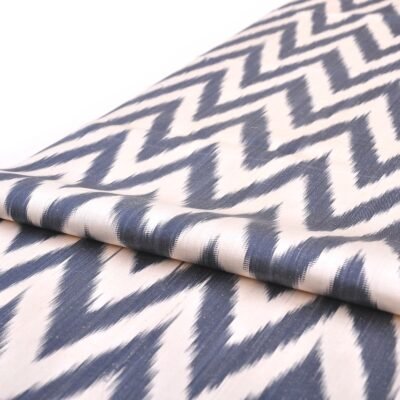 Chevron Design Soft Ikat Adras
 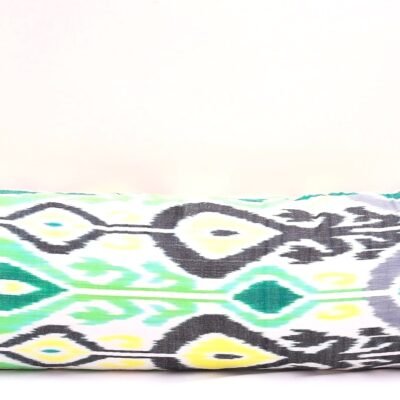 Richloom Bolster Accent Ikat Pillow
 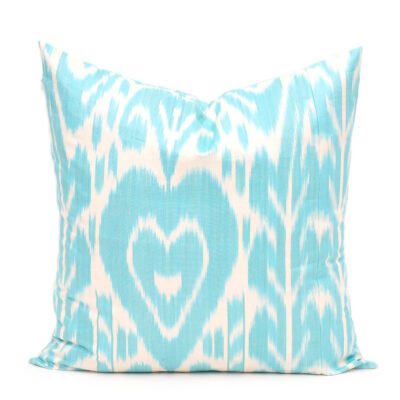 Turquoise Decorative Ikat Pillow
 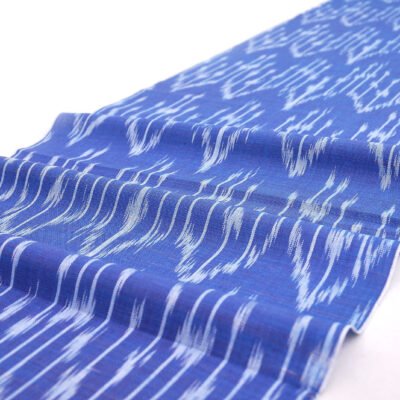 "Dream of Ocean" Cotton Abric Designer
  Red Decorative Throw Pillow
 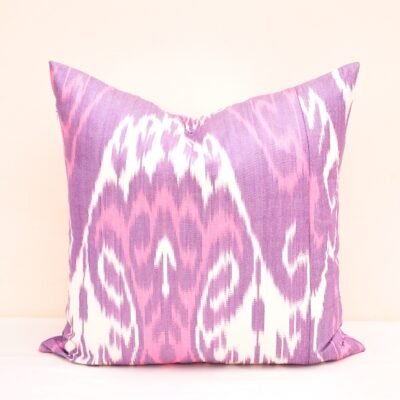 Accent Pillow Cover Pink
 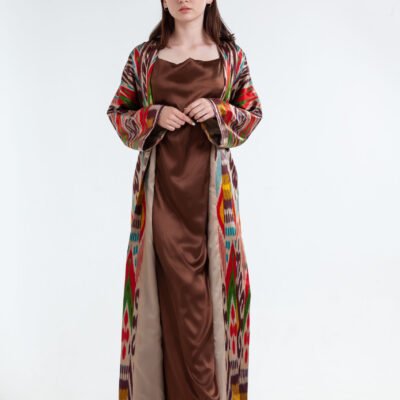 Adras Kaftan in Silk
  Art Hammer Engraved Brass Plaque
 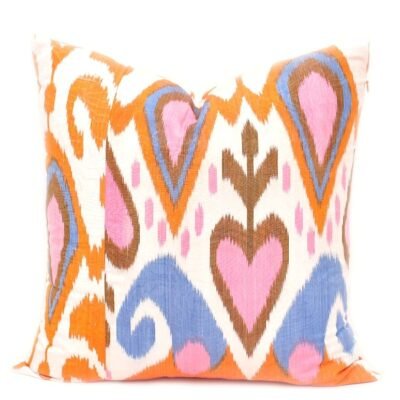 Handwoven Ikat Pillow Case
 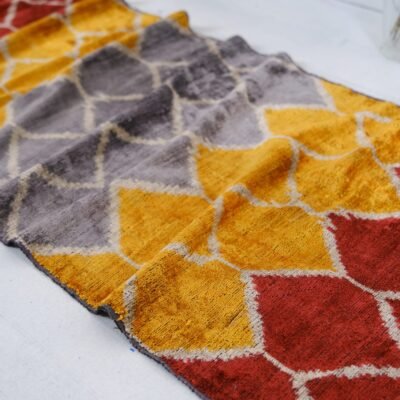 Velvet Silk Rhombus Ikat Fabric
 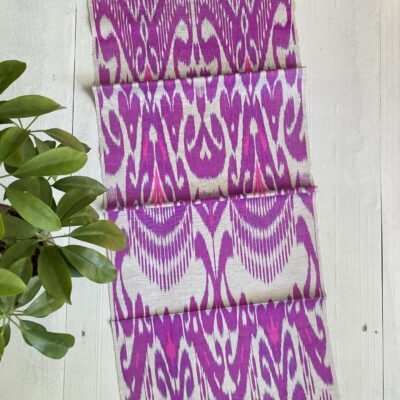 Purple Home Decor Ikat Fabric
  Cottage Decor Kilim Rug
  Black Velvet Chair Cushion
  Hand made Light Afghan Rug
  Bolster Decorative Throw Pillow
 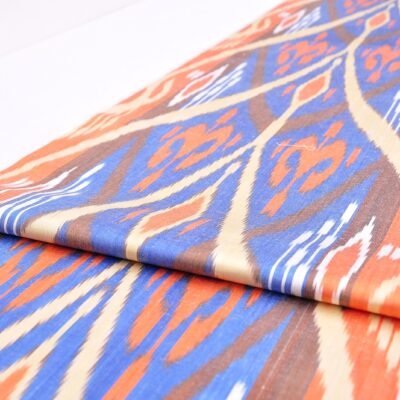 Handwoven Dress making Ikat Fabric
 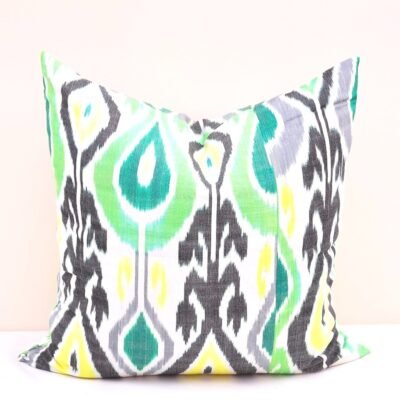 Unique Ikat Fabric Throw Pillow Cover
 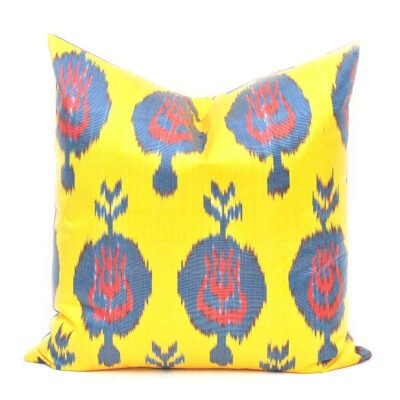 Yellow Accent Pillow Case
 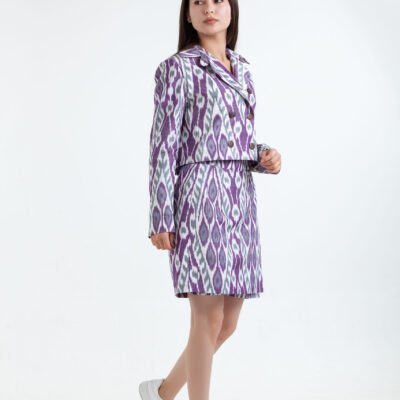 The Purple Ikat Jacket Set with Skirt
 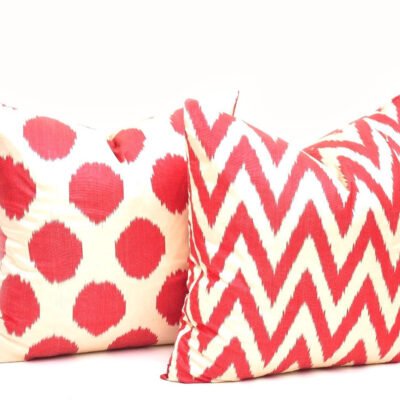 Red Chevron Polka Dot Pillow Pairs
  Sofa Pillows Adras Ikat
 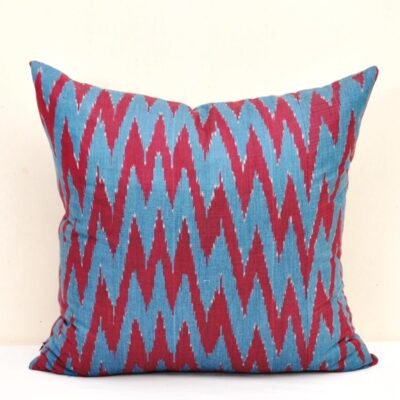 Red Blue Chevron Pillow
  Farmhouse Decor Lumbar Pillow
 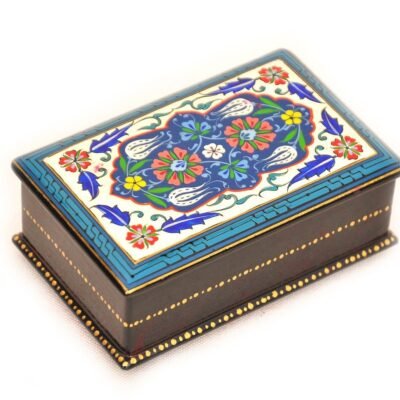 Ornate Blue Lacquer Jewelry Box
 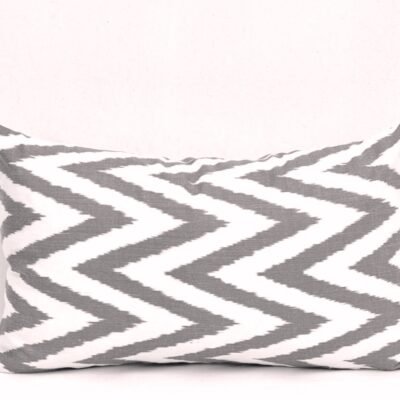 Lumbar Chevron Pillow Case
 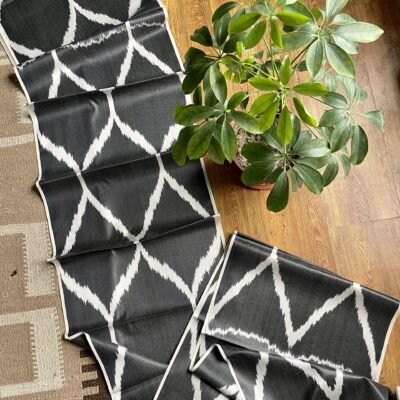 Black Silk Ikat Textile
  Multicolour Xan Adras Ikat Textile
  Tan polka dot decorative throw pillow
 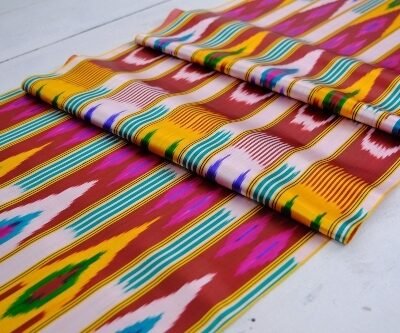 Silk Ikat Dressmaking Fabric
 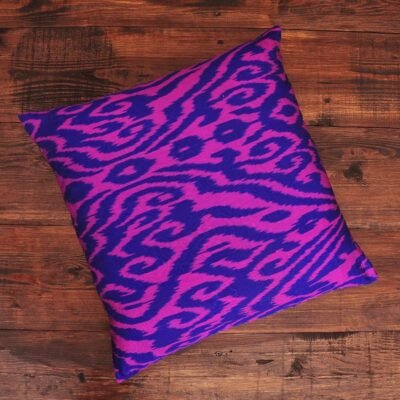 Violet Toss Ikat Pillow Adras
 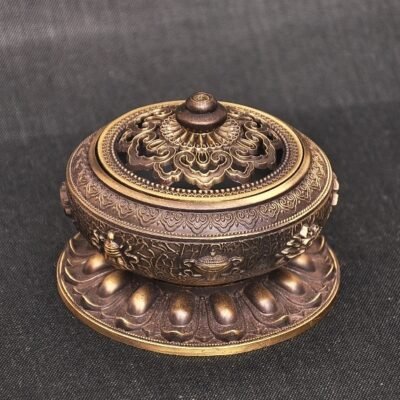 Luxury Cigar Ashtray Sale
  Metal Zinc Alloy vintage Aladdin Lamp Decor
 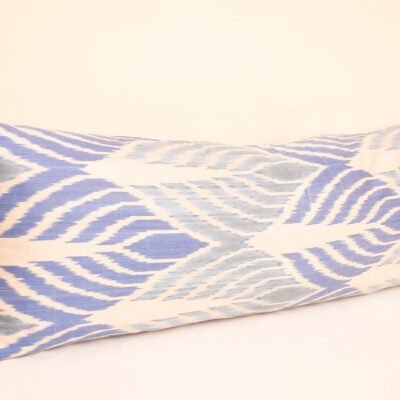 Blue Ikat Daybed Bolster Pillow
 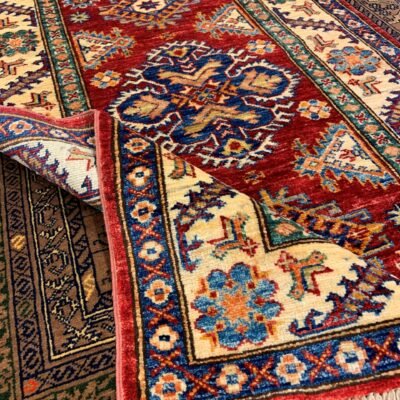 Elegant Bohemian Rug
 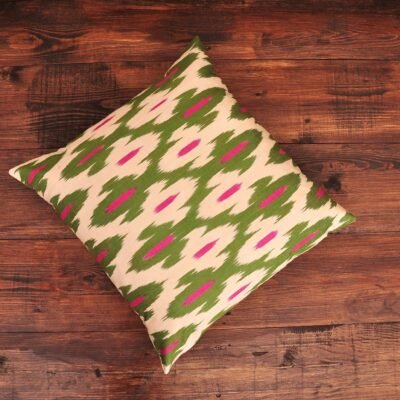 Uzbek Handmade Throw Cushion
 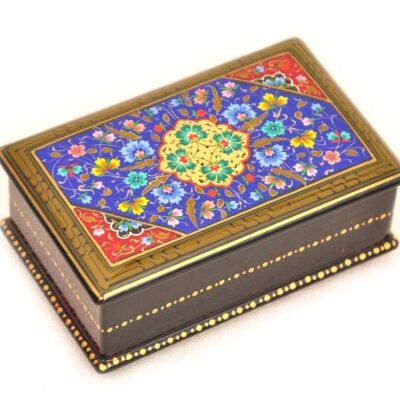 Blue Handmade Lacquer Box
 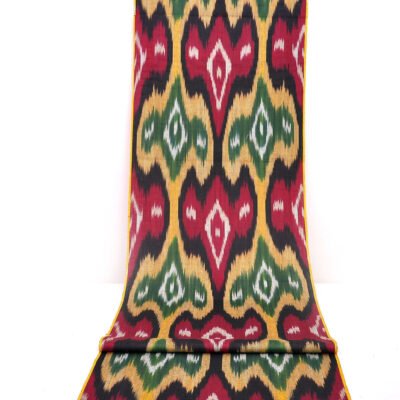 Multicolor Drapery Ikat Fabric
 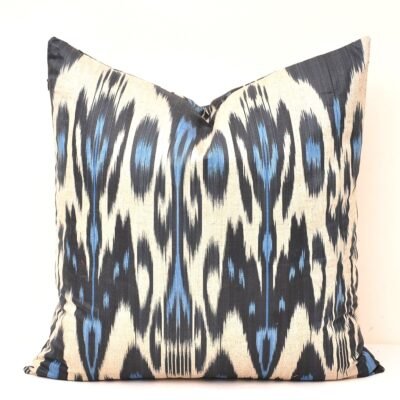 Organic Cotton Cheap Throw Pillow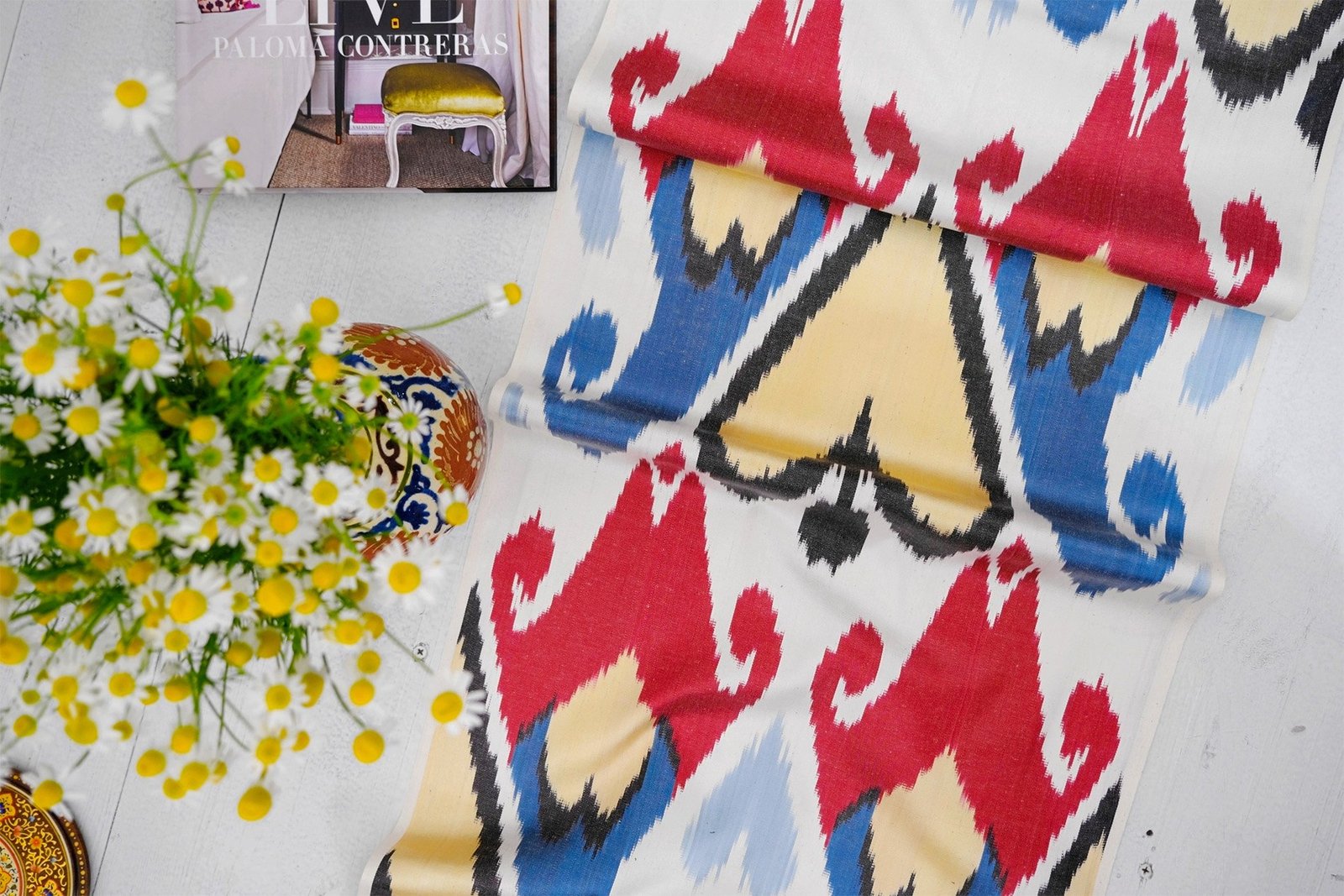


Out of stock
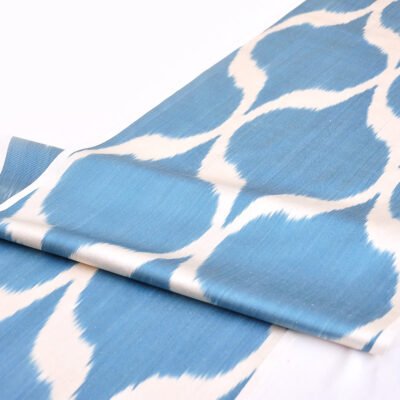
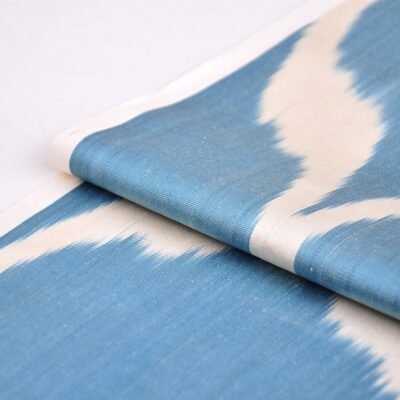


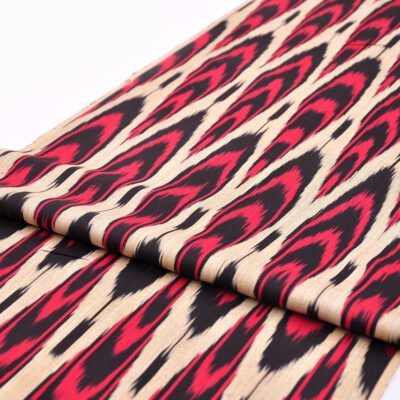


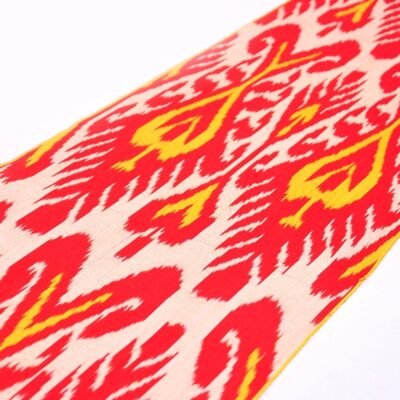
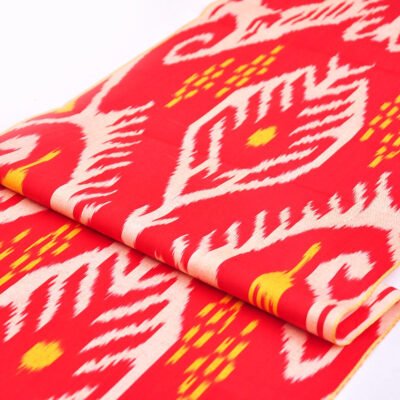

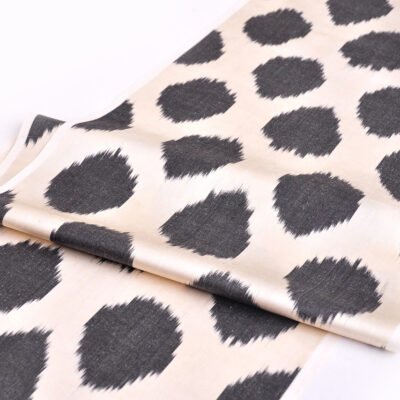
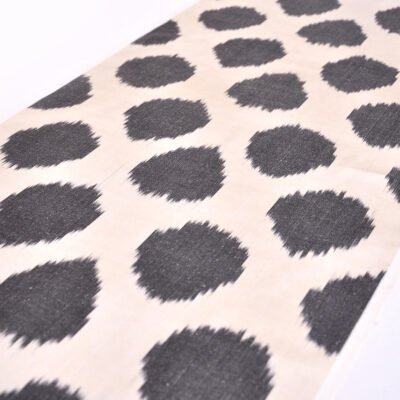


$7.20
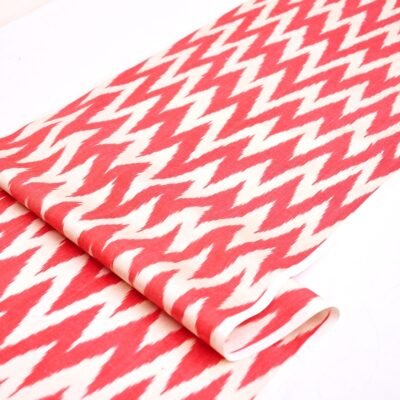
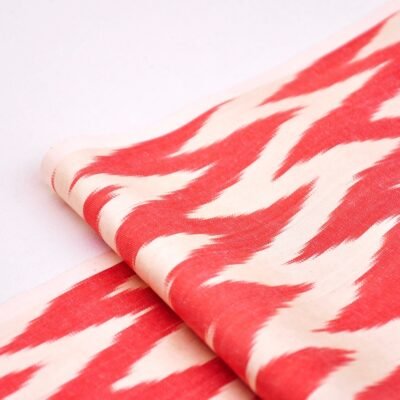
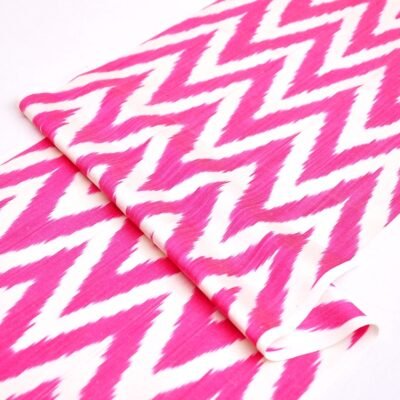
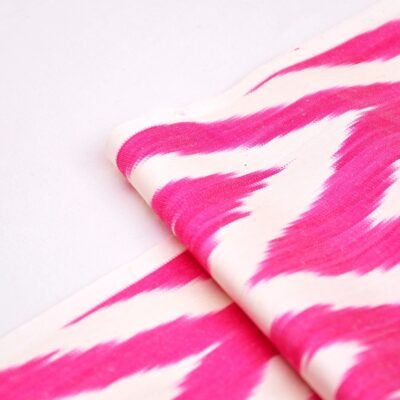
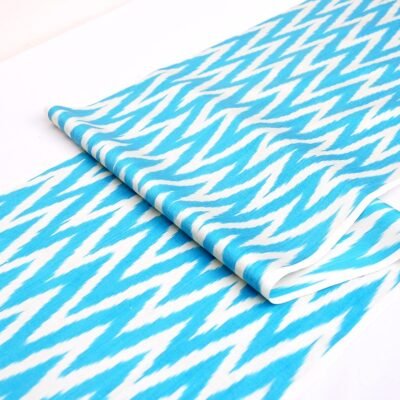
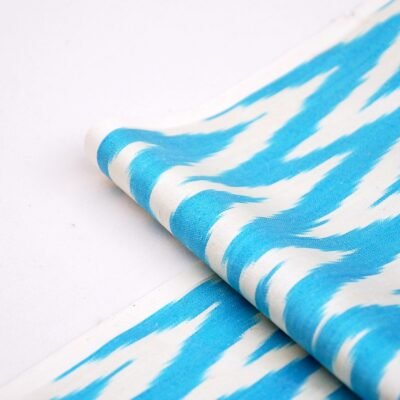
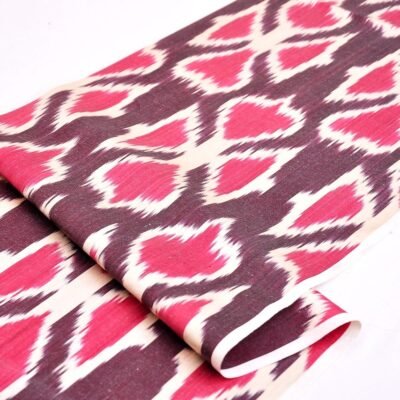
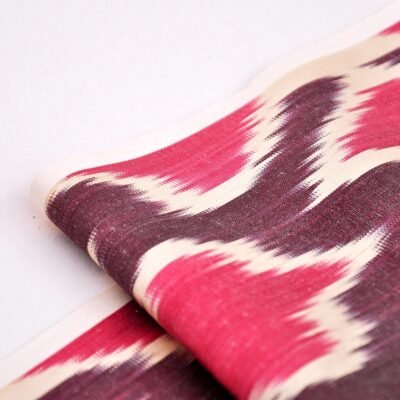
$16.00
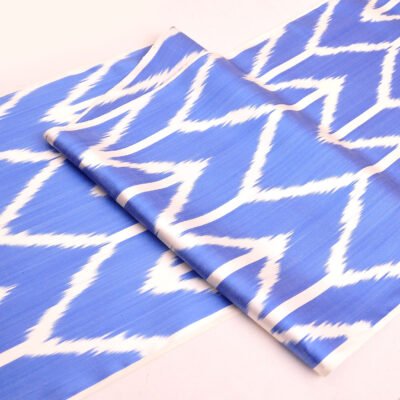
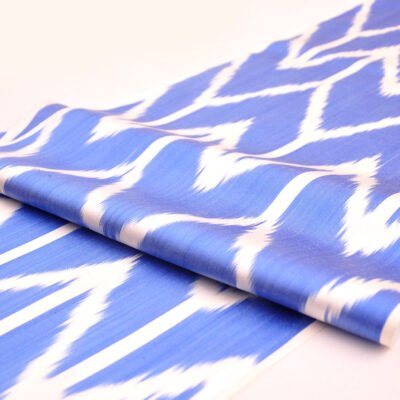
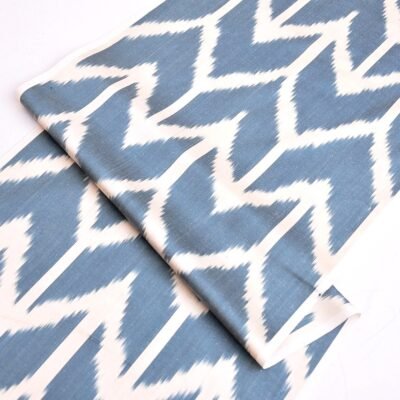
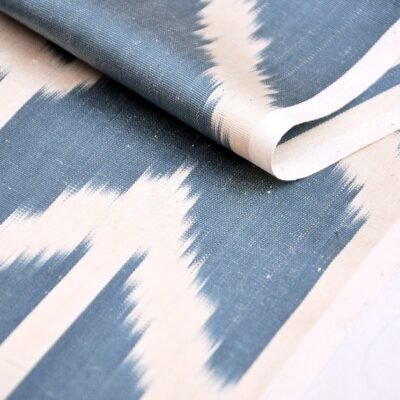
$16.00

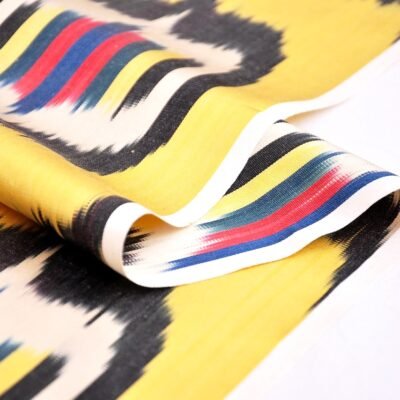

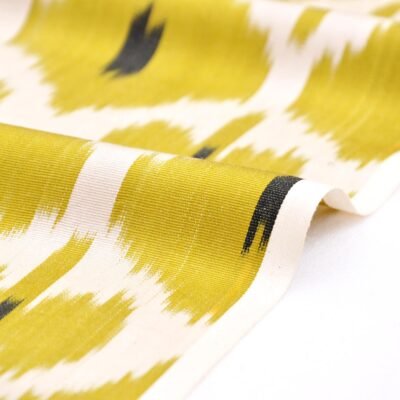


Out of stock
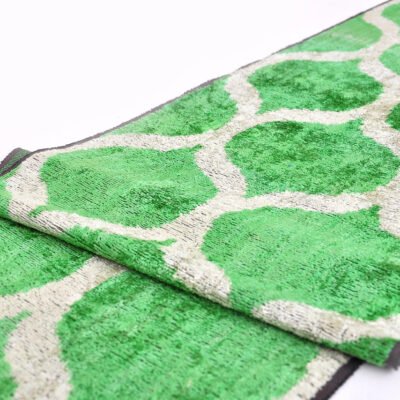

Out of stock
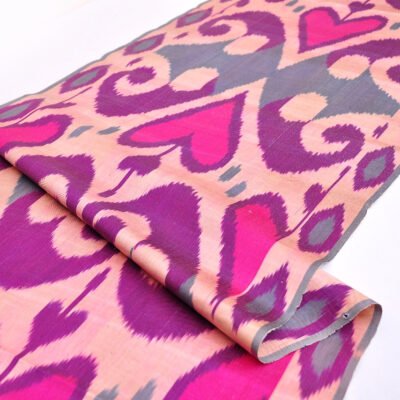
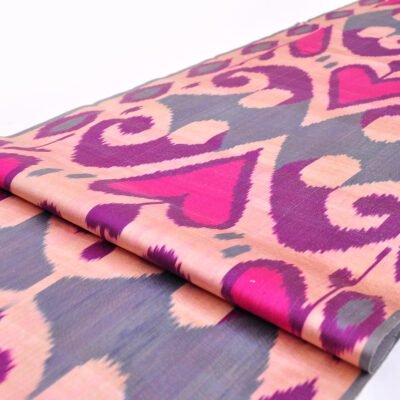
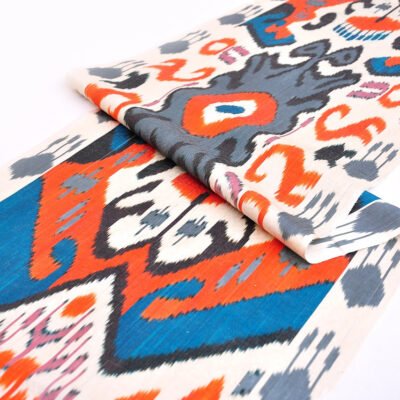
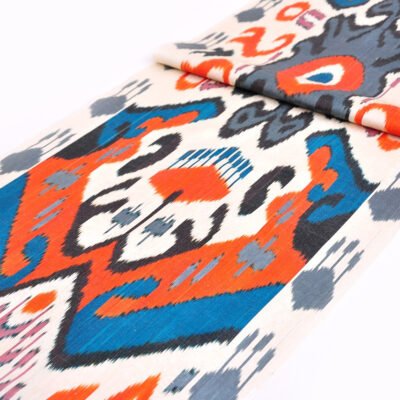

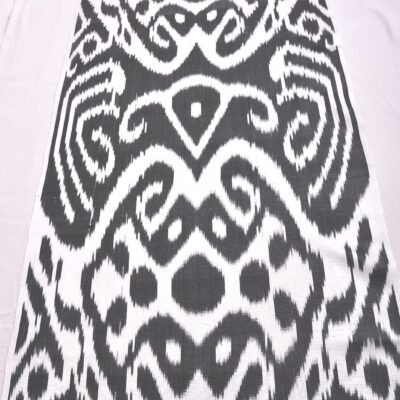
Ikat Fabrics Online: The Most Unique Selection of Handwoven Ikat fabric
Ikat Fabrics with Traditional Uzbek Patterns
Uzbek patterns are a prominent feature in Ikat fabrics. This intricate design element roots from Uzbekistan's rich cultural and historical tapestry. Ikat fabric, often regarded as a visual embodiment of Uzbekistan's heritage, showcases a stunning array of geometric motifs and vibrant hues. This beautifully crafted material, adorned with traditional Uzbek patterns, is a testament to the artistic skills and cultural richness of the Uzbek people.
The Ikat fabric is characterized by bold, geometric designs, usually rendered in vibrant colors. These patterns are not just mere designs; they are symbolic representations of the natural world, depicting elements like flowers, birds, and stars, as well as human figures and everyday objects. Each pattern tells a story, encapsulating the beliefs, traditions, and societal norms of the Uzbek people.
Read more
When you buy Ikat fabric online, you are not just purchasing a piece of cloth; you are acquiring a piece of art, a slice of history, a narrative woven into the fabric. These patterns, passed down through generations, are a testament to the resilience of a culture that has managed to preserve its heritage against the tide of modernization.
Meaning & Symbols in Ikat Fabrics
The traditional Uzbek patterns in Ikat fabrics are rich with meaning and symbolism. Each design element is not just an aesthetic choice, but carries a specific cultural or spiritual significance. These symbols provide a window into the worldviews, beliefs, and values of the people who created them.
For instance, the ‘pomegranate’ motif, a common element in Ikat fabrics, symbolizes fertility and abundance. The ‘scorpion’ design is believed to ward off evil, while the ‘ram's horn’ pattern represents power and strength. The ‘tree of life’, another popular motif, signifies eternal life and divine knowledge.
Understanding the symbolism behind these motifs adds a whole new layer of appreciation for Ikat fabrics. It transforms the fabric from a simple material into a canvas that narrates the tales and wisdom of a culture. As a connoisseur of textiles, I find this aspect of Ikat fabrics absolutely fascinating.
Origins of Handwoven Ikats?
The origins of handwoven ikats can be traced back to ancient times, with evidence of this craft found in various parts of the world, from South America to Asia. However, it is in Central Asia, particularly in the regions of present-day Uzbekistan, that this art form has been perfected and taken to new heights.
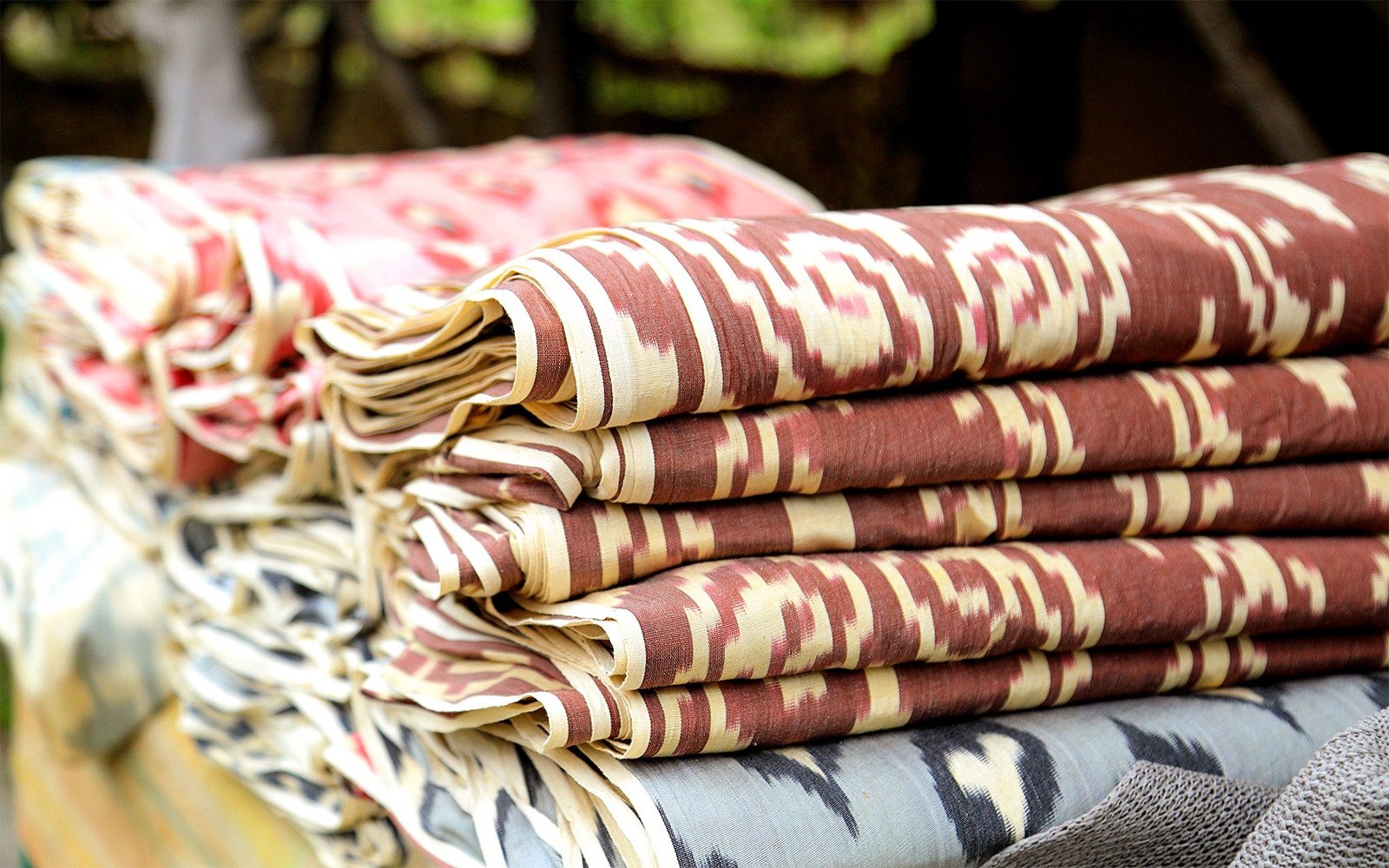
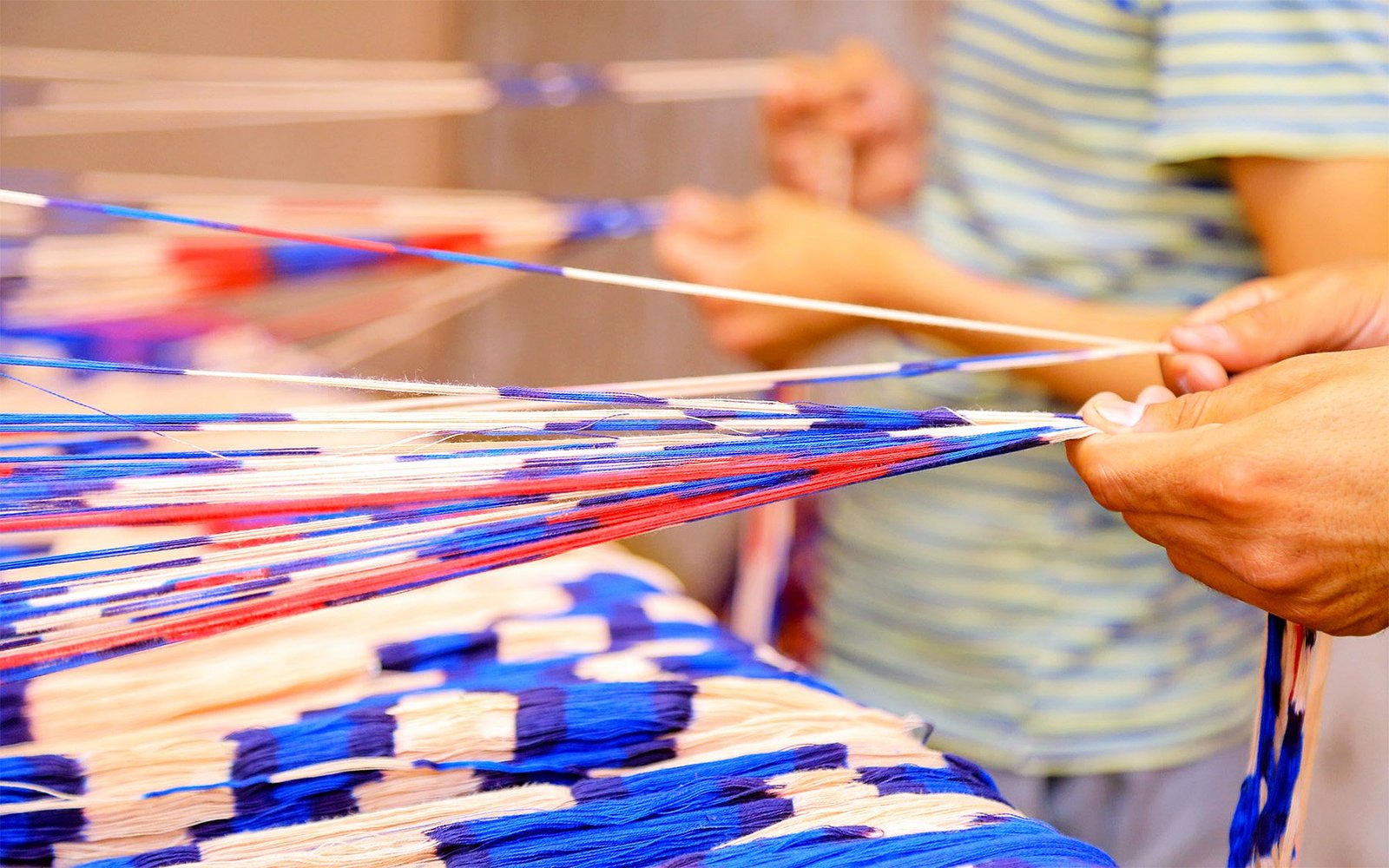
Historically, the production of Ikat fabrics was a labor-intensive process, involving several stages of dyeing and weaving. The artisans would first create the design by binding and dyeing the threads before weaving them together. This method, known as resist dyeing, gives Ikat fabrics their distinctive blurry edges.
The craft of making handwoven ikats was traditionally passed down from generation to generation, with families specializing in certain patterns and techniques. Today, despite the challenges of modernization and mass production, the tradition of handwoven ikats continues to thrive in Uzbekistan, thanks to the efforts of skilled artisans who continue to uphold this age-old craft.
Variations on a Theme – Types of Ikat
Ikat fabrics come in a variety of types, each with its own unique characteristics. The two main types are warp ikat and weft ikat. Warp ikat involves dyeing the warp threads (the vertical threads on a loom) before weaving, while weft ikat involves dyeing the weft threads (the horizontal threads). There is also a third type, known as double ikat, where both the warp and weft threads are dyed.
Each type of Ikat presents its own set of challenges and requires a different set of skills. Warp ikat fabric, for instance, requires precise planning and execution, as the design needs to be mapped out before the weaving begins. Weft ikat, on the other hand, requires the weaver to adjust the design as they weave, which calls for a high level of skill and dexterity.
Regardless of the type, all Ikat fabrics share the same defining characteristic: the blurriness of the design, resulting from the way the dyed threads shift during the weaving process. This slight imperfection is what gives Ikat fabrics their unique charm and distinguishes them from other types of textiles.
Understanding the Process of Making Ikat Fabric
The production of Ikat fabric is a complex and labor-intensive process that requires a high level of skill and precision. The process starts with the selection of the threads, which are usually made from silk, cotton, or a blend of the two. These threads are then prepared for dyeing through a process known as binding, where certain sections of the threads are tightly wrapped to resist the dye.
Once the threads are prepared, they are dyed using natural dyes derived from plants, minerals, and insects. The process of dyeing can be repeated several times to achieve the desired colors and patterns. After dyeing, the threads are set on a loom and woven into ikat fabric.
What sets Ikat fabric apart from other types of textiles is the technique of resist dyeing, which gives the fabric its distinctive blurry patterns. This process involves a high level of skill and precision, as the artisans must accurately predict how the dyed threads will interact during the weaving process.
The Uniqueness and Appeal of Ikat Silk Fabric
Ikat silk fabric is perhaps the most luxurious and sought-after type of Ikat fabric. Made from pure silk threads, this fabric is incredibly soft, smooth, and lustrous. The natural sheen of the silk enhances the vibrancy of the colors, making the patterns truly stand out.
The appeal of Ikat silk fabric lies not only in its aesthetic beauty, but also in its cultural significance. Each piece of Ikat silk fabric is a work of art, painstakingly crafted by skilled artisans. The intricate patterns and vibrant colors tell a story, narrating the history, traditions, and values of the Uzbek people.
As a lover of textiles, I find the uniqueness and appeal of Ikat silk fabric irresistible. It is not just a fabric, but a testament to the craftsmanship, creativity, and cultural richness of the people who create it.
How to Identify Genuine Ikat Fabric
As the popularity of Ikat fabric has grown, so has the market for imitations and replicas. These reproductions, while visually similar, lack the depth, richness, and quality of genuine Ikat fabric. Therefore, it is crucial to know how to identify a genuine piece of Ikat fabric.
One of the key features of authentic Ikat fabric is the blurriness of the design. This is a result of the resist dyeing process, where the threads shift slightly during the weaving process. Replicas, which are often printed rather than woven, lack this characteristic.
Another telltale sign of genuine Ikat fabric is the presence of small imperfections. As Ikat fabric is handmade, it is normal to find slight variations and irregularities in the patterns. These imperfections are a testament to the handcrafted nature of the fabric and are actually prized by collectors and connoisseurs.
Handwoven Ikat Fabric vs Printed Ikats
While printed Ikats may mimic the look of handwoven Ikats, the difference in quality, texture, and craftsmanship is stark. Handwoven Ikats are made using a meticulous process of resist dyeing and weaving, resulting in a unique, high-quality fabric with a distinct feel and appearance.
In contrast, printed Ikats are produced using modern printing techniques that simply replicate the Ikat patterns on the fabric. While this process is quicker and cheaper, it does not capture the depth, richness, and texture of handwoven Ikats.
Furthermore, handwoven Ikats are made by skilled artisans who have learned their craft from generations before them. Each piece of handwoven Ikat fabric is a testament to their skill, creativity, and dedication to their craft. When you buy handwoven Ikat fabric, you are not just buying a piece of cloth; you are supporting a rich tradition of craftsmanship and cultural heritage.
Practical Applications of Ikat Fabric in Today's Fashion
Ikat fabric has found its way into contemporary fashion, with designers and fashion houses incorporating this vibrant and unique textile into their collections. From dresses and skirts to jackets and scarves, Ikat fabric adds a touch of exoticism and vibrancy to any outfit.
In addition to clothing, Ikat fabric is also used in accessories like handbags, shoes, and jewelry. The bold patterns and vibrant colors of Ikat fabric make it a perfect choice for statement pieces that can elevate any outfit.
But the use of Ikat fabric is not limited to fashion. This versatile textile is also used in home decor, with Ikat cushions, curtains, and upholstery adding a splash of color and pattern to any interior. Whether in fashion or home decor, Ikat fabric adds a touch of global chic to any setting.
Sustainable Fashion & Ikat Fabrics
In an age where sustainability is becoming increasingly important, Ikat fabric stands out as a sustainable choice. Made from natural materials and dyed with natural dyes, Ikat fabric is eco-friendly and biodegradable.
Furthermore, the production of Ikat fabric supports local artisans and preserves traditional crafts. When you buy Ikat fabric, you are contributing to the livelihood of these artisans and helping to keep their craft alive.
Therefore, Ikat fabric is not just a beautiful and unique textile; it is also a responsible choice. As a lover of textiles and a supporter of sustainable fashion, I find this aspect of Ikat fabric especially appealing.
Tips for Purchasing Ikat Fabric Online
Buying Ikat fabric online can be a bit daunting, especially if you're new to this type of textile. Here are a few tips to help you make an informed purchase:
- Research the seller: Make sure to buy from a reputable seller who offers high-quality, authentic Ikat fabric. Read reviews and check ratings to ensure the quality of their products.
- Understand the product: Learn about the different types of Ikat fabric, the process of making them, and the characteristics of genuine Ikat fabric. This will help you make an informed decision.
- Look at the details: Pay attention to the details of the fabric, such as the quality of the threads, the clarity of the patterns, and the richness of the colors. These details can give you a good idea of the quality of the fabric.
Care and Maintenance of Ikat Silk Fabric
Ikat silk fabric, while beautiful and luxurious, requires special care to maintain its quality and vibrancy. Here are a few tips on how to care for your Ikat silk fabric:
- Hand wash: It is recommended to hand wash Ikat silk fabric in cold water with a gentle detergent. Avoid using bleach or harsh chemicals, as they can damage the fabric and fade the colors.
- Dry in shade: Do not dry Ikat fabric in direct sunlight, as it can cause the colors to fade. Instead, dry it in the shade or indoors.
- Iron on low heat: Use a low heat setting when ironing Ikat silk fabric. It is also advisable to iron the fabric while it is slightly damp to prevent wrinkles.
Conclusion
Ikat fabric, with its rich history, cultural significance, and unique beauty, is truly a gem in the world of textiles. Whether you're a textile connoisseur, a fashion enthusiast, or simply someone who appreciates beautiful things, Ikat fabric is a wonderful addition to any collection.
As we navigate through an increasingly globalized world, it is more important than ever to appreciate and preserve our cultural heritage. By buying Ikat fabric, especially handwoven Ikat fabric, you are not only acquiring a beautiful and unique textile; you are also supporting an age-old tradition of craftsmanship and contributing to the preservation of a rich cultural heritage.
So, the next time you're shopping for Ikat fabric online, remember that you're not just buying a piece of cloth; you're buying a piece of history, a work of art, a testament to the skill and creativity of the artisans who created it. And that, in my opinion, is what makes Ikat fabric truly special.
Question 1: What is the significance of patterns in Ikat fabrics?
Answer: The patterns in Ikat fabrics are not just aesthetic designs. They are symbolic representations of the natural world, cultural beliefs, traditions, and societal norms of the Uzbek people. For instance, the ‘pomegranate’ motif symbolizes fertility and abundance, while the ‘scorpion’ design wards off evil.
Question 2: How is Ikat fabric made?
Answer: The production of Ikat fabric is a complex process that involves several stages of dyeing and weaving. The threads, usually made from silk, cotton, or a blend of the two, are prepared for dyeing through a process known as binding. After dyeing, the threads are set on a loom and woven into fabric. The distinctive blurry patterns of Ikat fabric are a result of the resist dyeing technique used in its production.
Question 3: How can one differentiate between genuine Ikat fabric and replicas?
Answer: Authentic Ikat fabric is characterized by the blurriness of the design, a result of the resist dyeing process. Replicas, often printed rather than woven, lack this characteristic. Genuine Ikat fabric also presents small imperfections, a testament to its handmade nature. These variations and irregularities in the patterns are actually prized by collectors and connoisseurs.
Question 4: What are some tips for purchasing Ikat fabric online?
Answer: When buying Ikat fabric online, it's important to research the seller to ensure they offer high-quality, authentic Ikat fabric. Understanding the different types of Ikat fabric, the process of making them, and the characteristics of genuine Ikat fabric can also help in making an informed purchase. Lastly, pay attention to the details of the fabric, such as the quality of the threads, the clarity of the patterns, and the richness of the colors.