

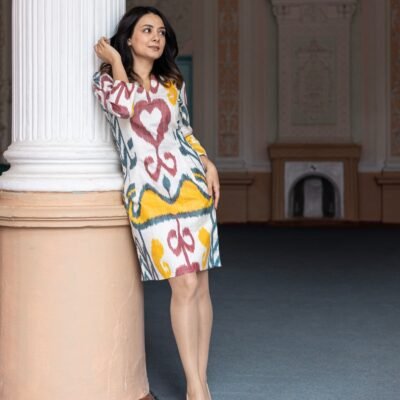
$198.00
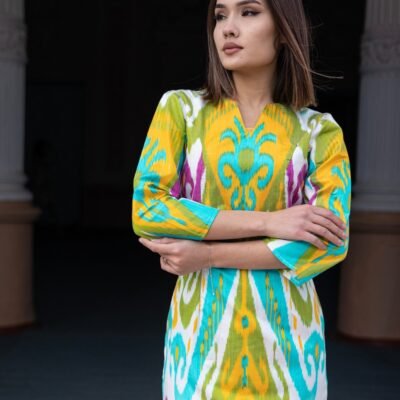
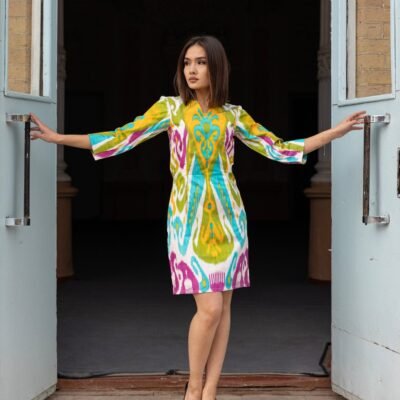
$234.00
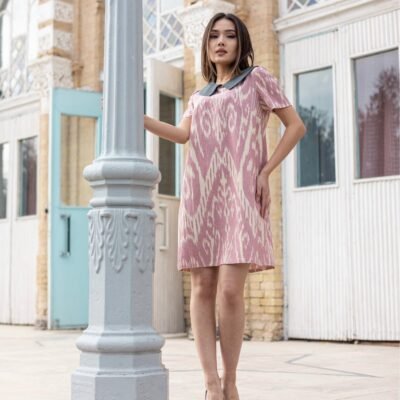
$56.00

$194.00

$58.00
Out of stock
$189.00



$105.00

$114.00

$195.00


$176.00

Out of stock
$154.00

$94.00
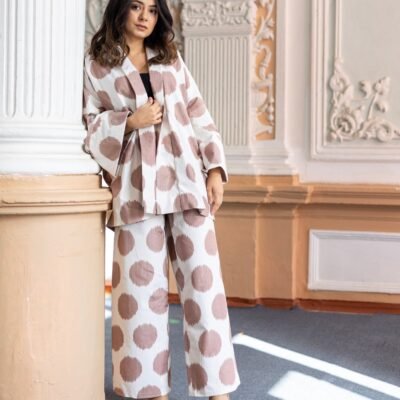

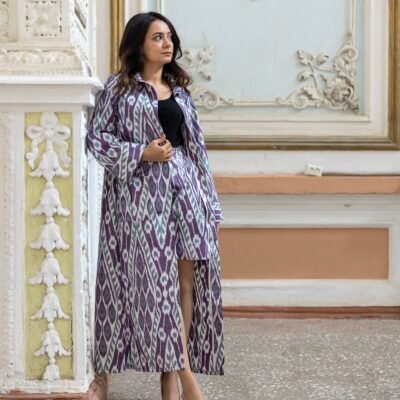
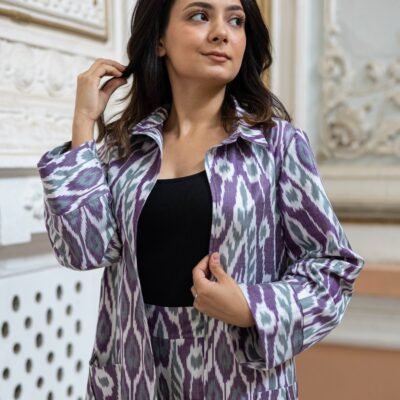
$225.00
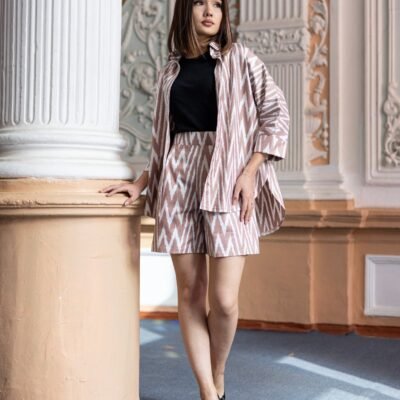


$99.00

$198.00


$169.00


$110.00

$100.00
Out of stock
$70.00
Easy Ways To Get In Touch
Reach out to our team using the contact form or direct via WhatsApp and we'll get back to you as soon as possible.
Whether you have a question about custom inquiries, wholesale support or would like to work together, we'll do our best to help you.
We strive to answer all email requests within 24 hours, but we are usually much faster than that.
Join Our Newsletter
Subscribe to the Alesouk mailing list to receive updates on new arrivals, special offers and other discount information.
*By completing this form you're signing up to receive our emails and can unsubscribe at any time.
Silk Designer Dresses: A Perfect Blend of Luxury and Comfort
Silk designer dresses epitomize the epitome of splendor, gracefully marrying the allure of luxury with the comfort of wearability. Esteemed for their soft, smooth texture, these garments caress the skin, offering an unrivaled sense of elegance that enhances the wearer's allure. Known for their breathability and temperature-regulating properties, silk dresses maintain a comfortable feel in varied climates, making them an exceptional choice for any wardrobe. With their versatility spanning from casual to the most formal of events, silk designer dresses are celebrated for their timeless cuts and designs that elegantly defy the ephemeral trends of fashion.
With a clear intent to expose readers to the prestigious world of silk garments, this article will delve into the ascent of mulberry silk to the pinnacle of fashion design, explore the skilled artistry in crafting silk and silk ikat dresses, and highlight the leading trends for the current season. It will offer insight into the art of styling silk dresses for diverse occasions, discuss the material's role in the sustainable fashion movement, and provide guidance on the proper care and maintenance of these delicate pieces. The article will also invite readers to visit artisans and workshops, such as alesouk.com, for personalized designs, solidifying silk designer dresses as a paragon of both ethical fashion and personal luxury. With a comprehensive overview of this sumptuous fabric's attributes, from its hypoallergenic qualities to its brilliant color retention, readers will be equipped with all the necessary knowledge to not only appreciate but also integrate silk dresses into their own lives.
The Rise of Mulberry Silk in Fashion Design
Mulberry silk has established itself as a cornerstone in the realm of fashion design, renowned for its exceptional qualities that blend luxury with practicality. This luxury textile is not only durable and soft but is also celebrated for its noble luster, which adds an air of sophistication to silk designer dresses. The intricate production process of mulberry silk starts at the very beginning, with the meticulous rearing of moths and silkworm caterpillars in specialized nurseries, ensuring the highest quality of silk is produced for use in high-end garments.
The unique attributes of mulberry silk extend beyond its visual appeal. Silk dresses crafted from this material are prized for their ability to absorb moisture, contributing to the comfort and wearability of the garment, especially during warmer seasons. Moreover, the nourishing properties of the silk thread, which is rich in 18 amino acids and proteins, offer added benefits for skin and hair care. This makes silk dresses not just a fashion statement but also a choice for health-conscious individuals.
In recent years, the push for ethical and sustainable practices in silk production has gained momentum, resonating with consumers who prioritize environmental responsibility alongside luxury. The use of mulberry silk aligns with this ethos, as ethical and sustainable silk production from Bombyx mori silkworms is considered more humane and environmentally friendly than some other forms of silk production. This approach to silk farming is appealing to those who seek sustainable luxury, as it reflects a commitment to preserving the well-being of both the environment and the artisans involved in the silk-making process.
Benefits of Mulberry Silk in Fashion:
- Durability and Softness: Mulberry silk is not only soft to the touch but also incredibly durable, making it a preferred fabric for designers looking to create lasting pieces.
- Hypoallergenic Qualities: With hypoallergenic and antibacterial properties, mulberry silk is an excellent choice for individuals with allergies or sensitive skin conditions like atopic dermatitis.
- Thermal Regulation: The temperature-regulating properties of mulberry silk ensure comfort in various climates, adapting to the body's needs and enhancing the wearability of silk designer dresses.
- Sustainable Luxury: Ethical and sustainable practices in silk production cater to the growing demand for eco-friendly fashion, making silk dresses a conscious choice for the environmentally aware consumer.
As silk designer dresses continue to captivate the fashion world, the rise of mulberry silk signifies a harmonious blend of ethical production, comfort, and timeless elegance. These dresses are not just garments but a testament to the meticulous craftsmanship and sustainable ethos that define the luxury fashion industry today.
The Craftsmanship Behind Silk Dresses and Silk ikat Dresses
The intricate art of creating silk designer dresses involves a blend of traditional techniques and modern design, ensuring each piece is unique and of high quality. Here's an insight into the craftsmanship that goes into making these luxurious garments:
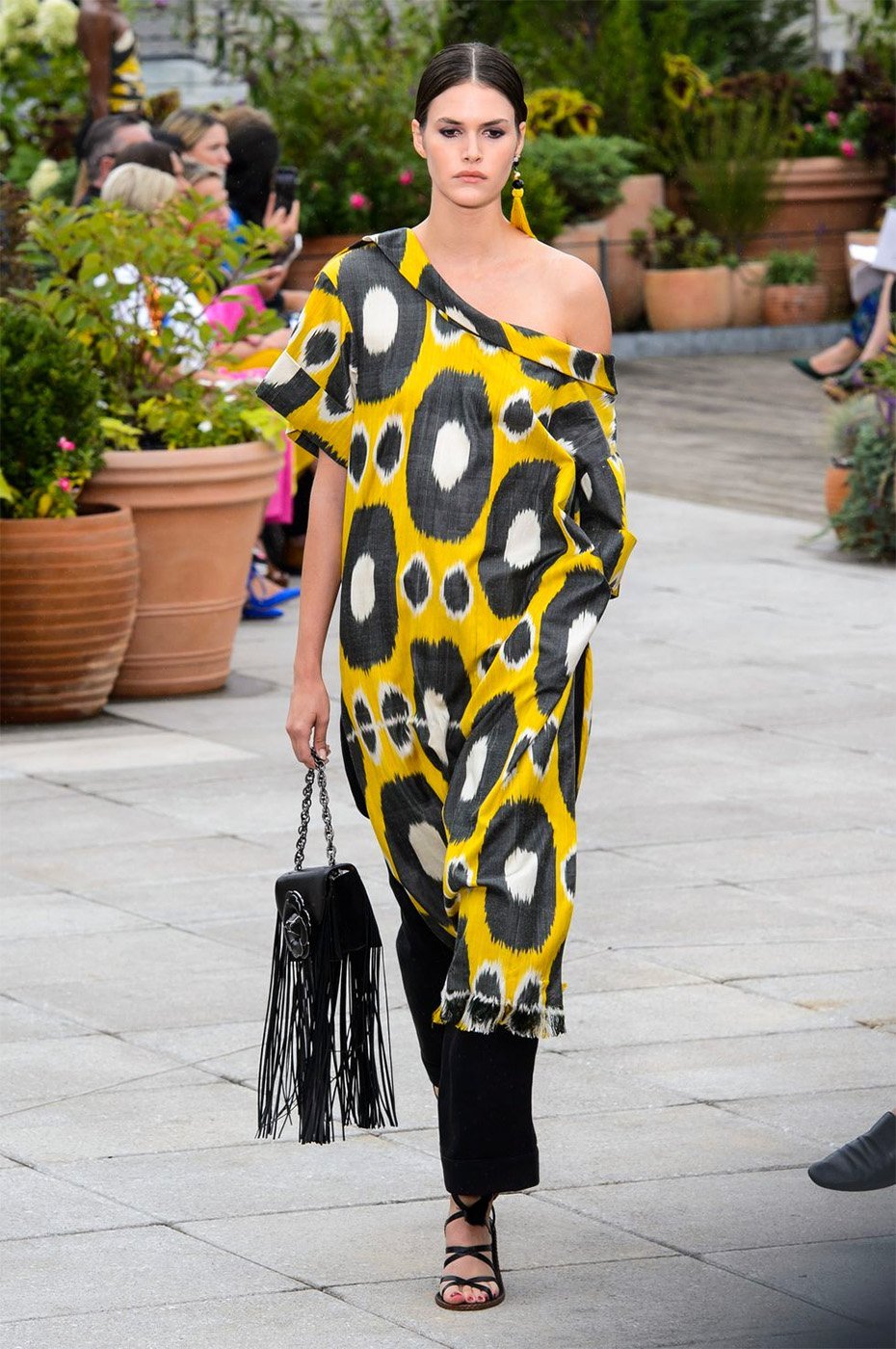
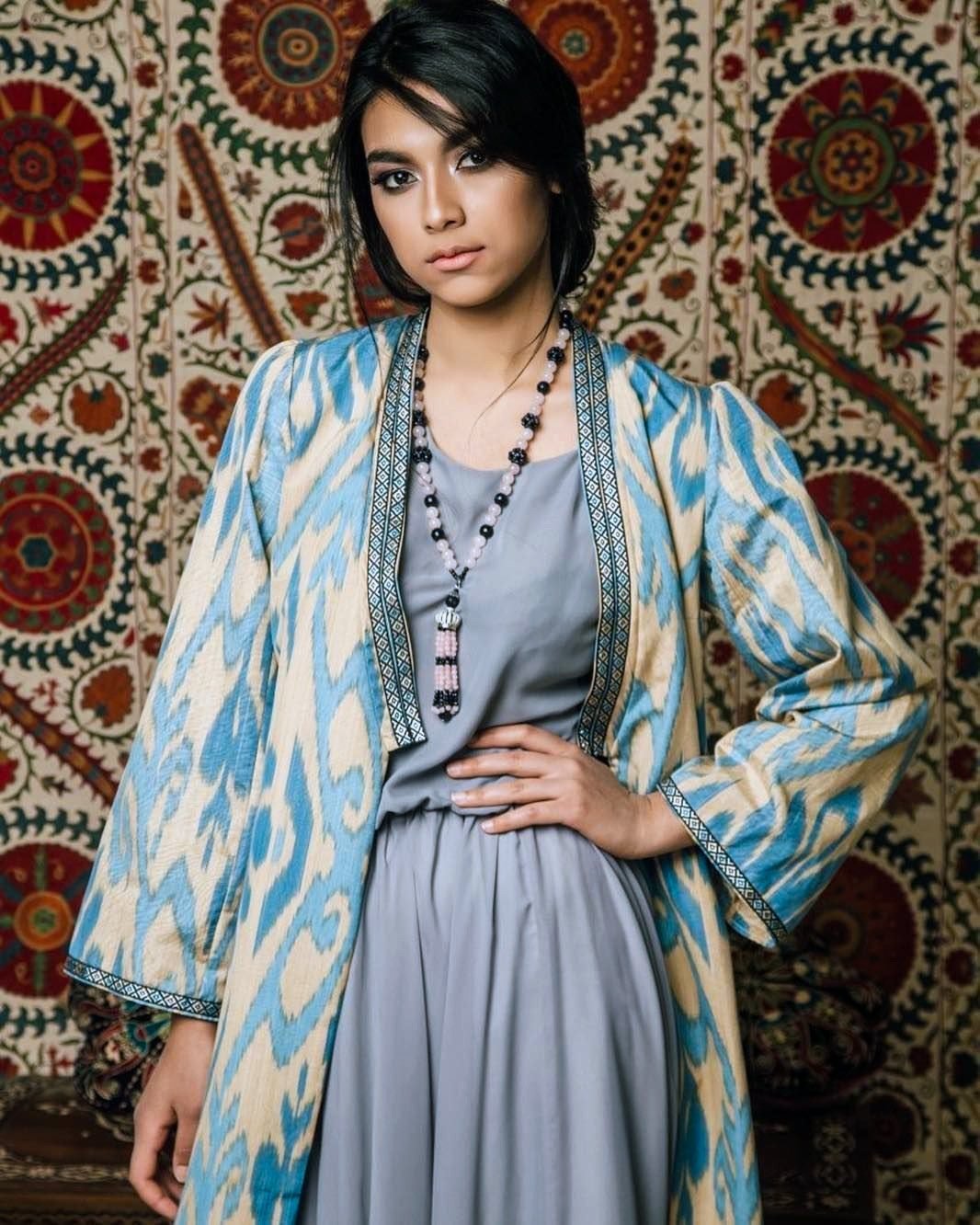
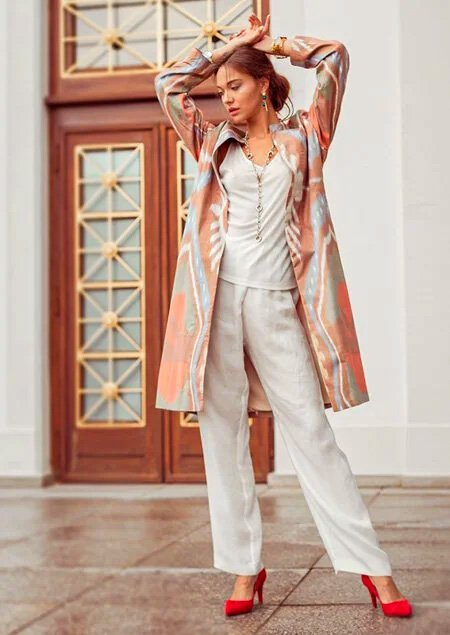
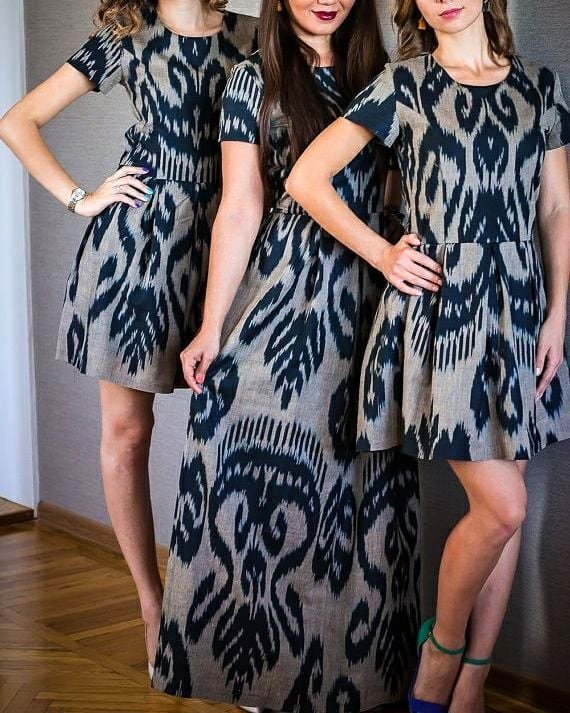
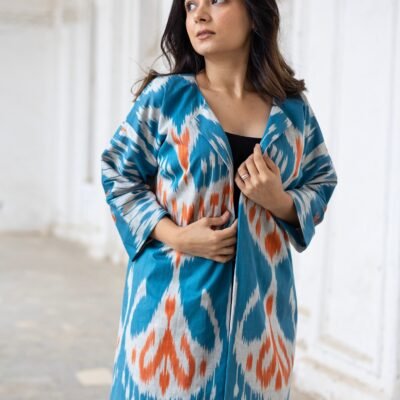
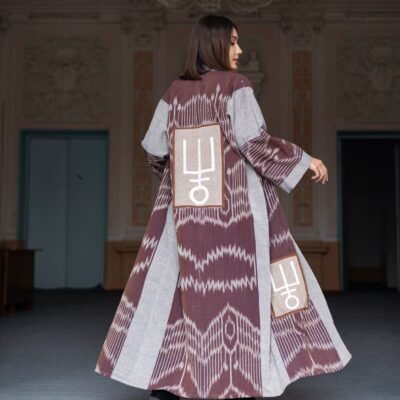
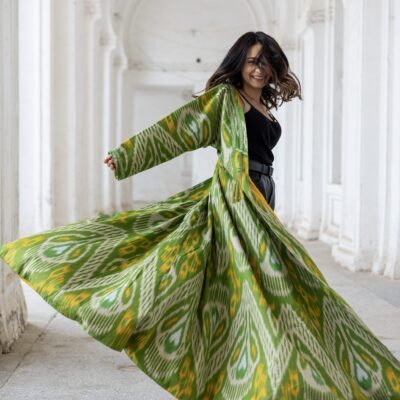
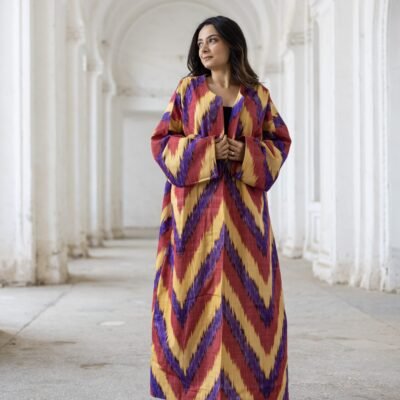
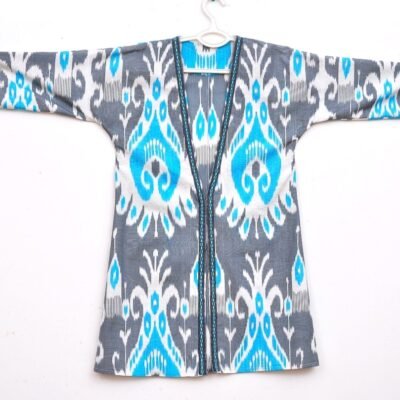
- Custom Silk Dresses at Alesouk.com: For those seeking a personalized touch, we offer a diverse range of custom silk dresses under our Ikat Clothes category. The site is a treasure trove of Ikat Fabrics, including Silk Ikats, which are perfect for creating one-of-a-kind silk dresses.
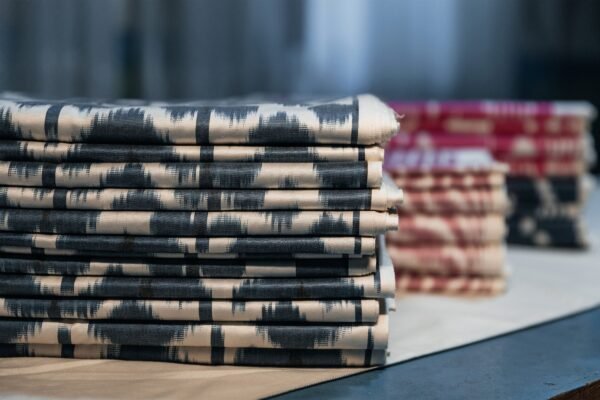
- Choice of Fabric: The selection of Ikat Fabrics on Alesouk.com spans various colors and designs, found under Ikat Fabrics by Color and Ikat Fabrics by Design. These vibrant options provide numerous possibilities for customizing silk dresses to individual tastes.
- Handmade Craftsmanship: The process of making silk and silk ikat fabric is meticulous and hands-on. In Uzbekistan, artisans employ a resist-dyeing technique on yarns before weaving, which results in the distinctive patterns and color variations seen in silk ikat fabric.
- Authenticity in Every Thread: Silk ikat dresses often feature slight irregularities, which are not flaws but rather a hallmark of authenticity, showcasing the handmade nature of the products.
- Preservation of Tradition: Supporting artisans and their traditional craftsmanship is crucial for the preservation of cultural heritage. By choosing silk designer dresses, consumers contribute to sustaining the livelihoods of communities and the continued significance of silk and silk ikat dresses in fashion.
When considering silk dresses for your wardrobe, it's not just about the style but also the story and craftsmanship behind each piece. By choosing custom silk dresses from Alesouk.com or appreciating the handcrafted ikat fabrics from Uzbekistan and Thailand, you're embracing a piece of history and supporting a legacy of artisanal excellence.
Top Trends in Silk Designer Dresses for the Season
As we step into the spring of 2024, silk designer dresses are embracing a blend of classic elegance and modern flair. Here are the top trends to look out for:
- The Little Satin Dress: Taking center stage this season is the little satin dress, a versatile piece that can be dressed up or down. Designers like Prada and Mango have incorporated polished details into their collections, offering a fresh take on this timeless piece. Anine Bing's collection also features these satin gems, perfect for those aiming to strike a balance between luxury and practicality.
- Silk Slip Midi Dresses: Silk dresses are experiencing a resurgence, with silk slip midi dresses leading the charge. These dresses are often designed with spaghetti-thin adjustable tie straps, allowing for a customized fit. The fluid-like drape of these dresses reflects a preference for a luxurious feel and can be found in a range of colors to suit any taste.
- Sustainable Fashion: The silk dress trend is also moving towards more sustainable practices. Brands like Stella McCartney are pioneering the use of organic peace silk, ensuring that fashion not only looks good but also contributes positively to the environment. This shift towards ethical fashion is a significant trend that's shaping the industry.
- Statement Sleeves: Silk dresses with bold, voluminous sleeves are adding a dramatic flair to elegant designs. These statement sleeves are a nod to the baroque and add a touch of drama to any outfit, making them a popular choice for those looking to make a fashion statement.
- Lengths and Colors: Midi and maxi silk dresses are in style, offering a sophisticated and timeless look. The color palettes for the season include earthy tones, pastels, and jewel tones, providing a rich selection for personal expression.
- Asian-Inspired and Asymmetrical Designs: Adding unique twists and cultural influences to modern fashion, Asian-inspired prints and asymmetrical designs are gaining popularity in silk dresses. These designs offer a fresh perspective and stand out in a world of conventional fashion.
- Versatility for Various Occasions: Silk fashion items, including dresses, blouses, and scarves, are celebrated for their versatility. Whether it's a casual brunch or a formal event, silk designer dresses are suitable for a variety of occasions, making them a staple in any wardrobe.
- Bohemian and Wrap Dresses: Specific trends like silk bohemian dresses and wrap dresses cater to a range of styles from elegant to relaxed. These dresses are perfect for those who appreciate a free-spirited and effortless look.
- Red Carpet Favorites: Silk dresses continue to be a favorite for red carpet events. Celebrities and designers favor them for their glamour and sophistication, proving that silk designer dresses are a timeless choice for high-profile occasions.
Each of these trends showcases the unique feel and texture of silk, highlighting its ability to drape beautifully and adapt to both formal and casual settings. Embracing these trends will ensure that silk designer dresses remain at the forefront of fashion in 2024.
How to Style Silk Dresses for Different Occasions
Silk designer dresses, known for their luxurious feel and versatile style, are a smart addition to any wardrobe, offering a range of options for different settings. Here are some ways to style these elegant pieces for various occasions:
Casual Outings:
- Silk midi dresses are perfect for creating a laid-back yet chic look. Pair them with comfortable footwear like chic sandals and minimal accessories for an effortlessly stylish ensemble
- For a more relaxed vibe, consider wearing a silk dress with a fitted or oversized denim jacket, which adds a casual touch to the luxurious fabric.
- Transitioning between seasons is a breeze by layering with lightweight jackets or cardigans, ensuring both style and comfort.
Formal Events:
- A floor-length silk gown in a bold or metallic hue makes a stunning statement. Elevate this look with strappy heels, a sleek clutch, and statement earrings for an evening of elegance.
- For a sophisticated approach, pair a silk midi dress with refined jewelry and high heels, exuding grace and poise.
Professional Settings:
- Balance the softness of a silk midi dress with a structured blazer or cardigan, and complete the look with sleek pumps or polished flats for a professional yet stylish appearance.
A silk blouse can be paired with tailored pants or a pencil skirt, and adding a blazer brings extra polish, perfect for business meetings
Accessorizing Silk Dresses:
- Opt for delicate necklaces, dainty bracelets, or classic stud earrings to complement the dress without overshadowing it.
- Footwear choices can range from strappy heels for formal affairs to versatile flats for a day in the office.
Versatile Styling:
- Silk slip dresses can transition from a casual daytime look to a glamorous evening outfit. For day, layer with a casual sweater, and for night, dress it up with elegant jewelry.
- Experiment with monochromatic or contrasting silk combinations to create looks that are both elegant and bold.
Remember, the key to styling silk is allowing the fabric to shine, so keep accessories and makeup minimal. By following these tips, you can curate outfits that showcase the natural beauty and elegance of silk dresses for any occasion.
Silk Designer Dresses and the Sustainable Fashion Movement
Silk designer dresses are increasingly becoming synonymous with the sustainable fashion movement, as consumers and brands alike prioritize environmentally-friendly practices. Here are some of the ways that silk dresses are contributing to this important shift in the fashion industry:
Sustainable Silk Options:
- Upcycled silk repurposes existing silk materials, reducing waste and the need for new resources.
- Raw silk made from silk waste during spinning is another eco-friendly choice, utilizing byproducts that would otherwise be discarded.
- Certified organic silk ensures the humane treatment of silkworms and eliminates the use of harmful pesticides and fertilizers, making it a responsible choice for both the environment and the consumer. Brands like Silk Laundry are at the forefront, emphasizing the use of natural fibers and demonstrating a strong commitment to sustainability in response to growing environmental concerns.
Ethical Brand Practices:
- Brands such as Seek Collective, HERTH, The R Collective, OZMA, and The Ethical Silk Company are exemplary for their dedication to transparency, ethical workforce management, and low-impact materials.
- These brands also support a circular textile economy, which aims to minimize waste and promote the reuse and recycling of materials. Their practices underscore the potential for silk designer dresses to be both luxurious and ethical
Innovative Silk Alternatives:
- Peace silk, wild silk, and human-made silk alternatives offer sustainable choices without compromising on quality or style.
- Organic silk production with relevant sustainability certifications can significantly reduce the environmental footprint of silk dresses, aligning with the rising demand for eco-friendly fashion options.
- Vegan silk clothing, made from materials with a lower environmental impact, presents a more environmentally friendly, hypoallergenic, versatile, and durable alternative to conventional silk.
The integration of these sustainable practices within the silk dress market demonstrates a clear commitment to the environment, making silk dresses a popular and eco-friendly choice for the discerning consumer. With brands like Silk Laundry leading the way, the fashion industry is embracing a cleaner, more ethical approach to luxury.
Care and Maintenance of Silk Garments
Caring for your silk designer dresses is paramount to maintaining their beauty and longevity. Here are some essential tips for preserving the luxurious quality of your silk garments:
Washing Silk Designer Dresses:
- Hand-washing: To hand-wash your silk dresses, choose cool water and a gentle detergent. Submerge the garment, swish it gently, then rinse thoroughly. Instead of wringing, press the silk between clean towels to remove excess water and lay flat to dry.
- Machine Washing: If you prefer to use a washing machine, place your silk dress in a mesh laundry bag to protect it. Select a gentle or delicate cycle with cold water and use a mild detergent specifically designed for delicate fabrics. Ensure the machine is not overloaded to avoid any damage to the silk.
Ironing and Drying Silk: - When ironing silk dresses, always use the lowest heat setting or a steam iron. To protect the fabric, use a pressing cloth or iron the garment inside out. This prevents direct contact with the iron and keeps your silk looking pristine.
Dry Cleaning and Stain Removal: - Dry Cleaning: If the care label indicates "dry clean only," it's best to take your dress to a professional cleaner. However, some silk garments can withstand hand washing if done correctly.
- Stain Pre-treatment: For any stains, pre-treat the area with a mixture of silk detergent and cool water or a homemade solution of lukewarm water with lemon juice or white vinegar. This helps to lift the stain without damaging the fabric.
Selecting the Right Detergent: - Opt for silk-friendly detergents, such as Woolite, Tide Studio Delicates, or The Laundress Delicate Wash, to ensure the fabric retains its natural sheen and softness.
Storage and Protection: - Store silk garments in a cool, dry, and dark place with good airflow. For hanging storage, use breathable cotton garment bags to prevent any damage. To avoid underarm sweat stains and odors, consider wearing a sweat proof undershirt beneath your silk dresses.
By following these care guidelines, your silk designer dresses will continue to be a treasured part of your wardrobe for years to come. Remember, proper care is essential for preserving the beauty of and silk ikat fabrics, ensuring they remain as stunning as the day you brought them home.
Visiting Artisans and Workshops for Custom Pieces : alesouk.com
For those who appreciate the art of individuality in their wardrobe, visiting artisans and workshops like Alesouk offers a unique opportunity to acquire custom pieces that tell a story. Here's what customers can expect to find:
Cushion Variety for Home Decor:
- Ikat Pillows: These are known for their vibrant patterns and are a staple in adding an ethnic touch to any living space.
- Velvet Ikat Pillows: Offering a luxurious feel, these pillows combine the traditional Ikat technique with the plush texture of velvet.
- Lumbar Cushions and Bolster Pillows: Designed to provide support and comfort, these items also add an aesthetic appeal to home furnishings.
- Moroccan Poufs: Perfect for adding a bohemian flair, these poufs serve as both seating options and decorative elements.
Customers can explore these cushion options and more under the Cushions category at our Alesouk Throw Pillows section
Oriental Rugs to Adorn Floors:
- Afghan Rugs: These are renowned for their intricate designs and durability, often featuring deep reds and traditional motifs.
- Kilim Rugs: Flat-weave rugs that are lightweight and versatile, suitable for various interior design styles.
- Turkish Rugs: With their distinct patterns and rich history, Turkish rugs can be a centerpiece in any room.
- Turkmen and Persian Rugs: These rugs are treasured for their fine craftsmanship and are considered an investment in art.
Discover the full range of Oriental Rugs, including the custom silk dresses for which Alesouk.com is particularly known
Cultural Insights Through Alesouk's Blog:
- Ikat Fabrics: The blog offers insights into the history and cultural significance of these beautifully patterned textiles.
- Suzani Fabric: Readers can learn about the intricate hand-embroidery that characterizes Suzani fabric, often used in decorative home items.
- Oriental Rugs: The blog delves into the rich heritage of Oriental rugs, their making process, and their place in modern interiors.
- Custom Silk Dresses: For those interested in fashion, the blog provides information on the bespoke silk dresses available, highlighting the craftsmanship and design that go into each piece.
Customers can deepen their understanding of these cultural artifacts and the significance of silk designer dresses by visiting Alesouk's blog
By choosing to shop with artisans and workshops like Alesouk.com, customers not only receive silk designer dresses and home decor items of exquisite quality but also support the preservation of traditional crafts and contribute to sustainable fashion movements.
Conclusion
The elegance and versatility of silk designer dresses, as explored throughout this article, offer a testament to the harmonious blend of luxury, comfort, and sustainability. From the sumptuous feel of mulberry silk to the meticulous craftsmanship behind each garment, these pieces stand as a beacon of timeless fashion and conscious consumerism. The ascent of ethical production practices and the celebration of artisanal heritage further solidify silk dresses as not only a fashion staple but also an emblem of environmental stewardship and cultural preservation.
As we have journeyed through the world of silk, from its illustrious origins to its modern-day place on the runway and in our wardrobes, it becomes clear that the choice of silk speaks volumes of one's personal style and ethos. For those looking to experience this blend of tradition and innovation firsthand, Alesouk invites you to explore their exclusive collection of silk garments, where elegance meets ethical fashion in every thread.
FAQs
Q: How comfortable are silk dresses to wear?
A: Silk dresses are renowned for their exceptional comfort and softness. This is due to the natural smoothness and luster of silk. Being a protein-based fabric, silk is not only gentle and pleasant against the skin but also incredibly lightweight, enhancing its comfort.
Q: What are some tips for styling a silk dress?
A: To look your best in a silk dress, consider these styling tips:
- Complement the delicate fabric with understated jewelry.
- For added sophistication, pair your silk dress with other silk accessories.
- Create a more relaxed look by combining it with cotton or wool pieces.
- For an edgy vibe, wear a graphic tee with your silk dress.
- In cooler weather, layer with a long-sleeve shirt.
- Dress it down with a bold pair of jeans.
Q: What type of lining is best for a silk dress? - A: When choosing a lining for a silk dress, it's advisable to go for a silk lining material such as habotai, chiffon, satin, or crepe de chine, especially for summer garments like lightweight dresses, skirts, and pants. Cotton linings (lawn, voile, or batiste) are suitable for cotton garments, while viscose and rayon linings are also excellent alternatives for various types of apparel.